Cross-quarter · Early May
Beltane
Flourishing — Fertility and Passion
Pronounced BEY-al-TIN-ah
- Northern
- Southern
- ~1 May
- ~1 November

The gate of summer swings open. Something wild pours through — greet it with fire, flowers, and a marriage.
Astronomically, the true midpoint between the bracketing solstice and equinox falls a few days later than the traditional date — the next one is on May 6.

From the story of the year
"Hazel had been carrying the fire so long that her arm no longer registered the weight of it — this was not the first dark she had walked into with it, and she had stopped expecting any of them to be the last."
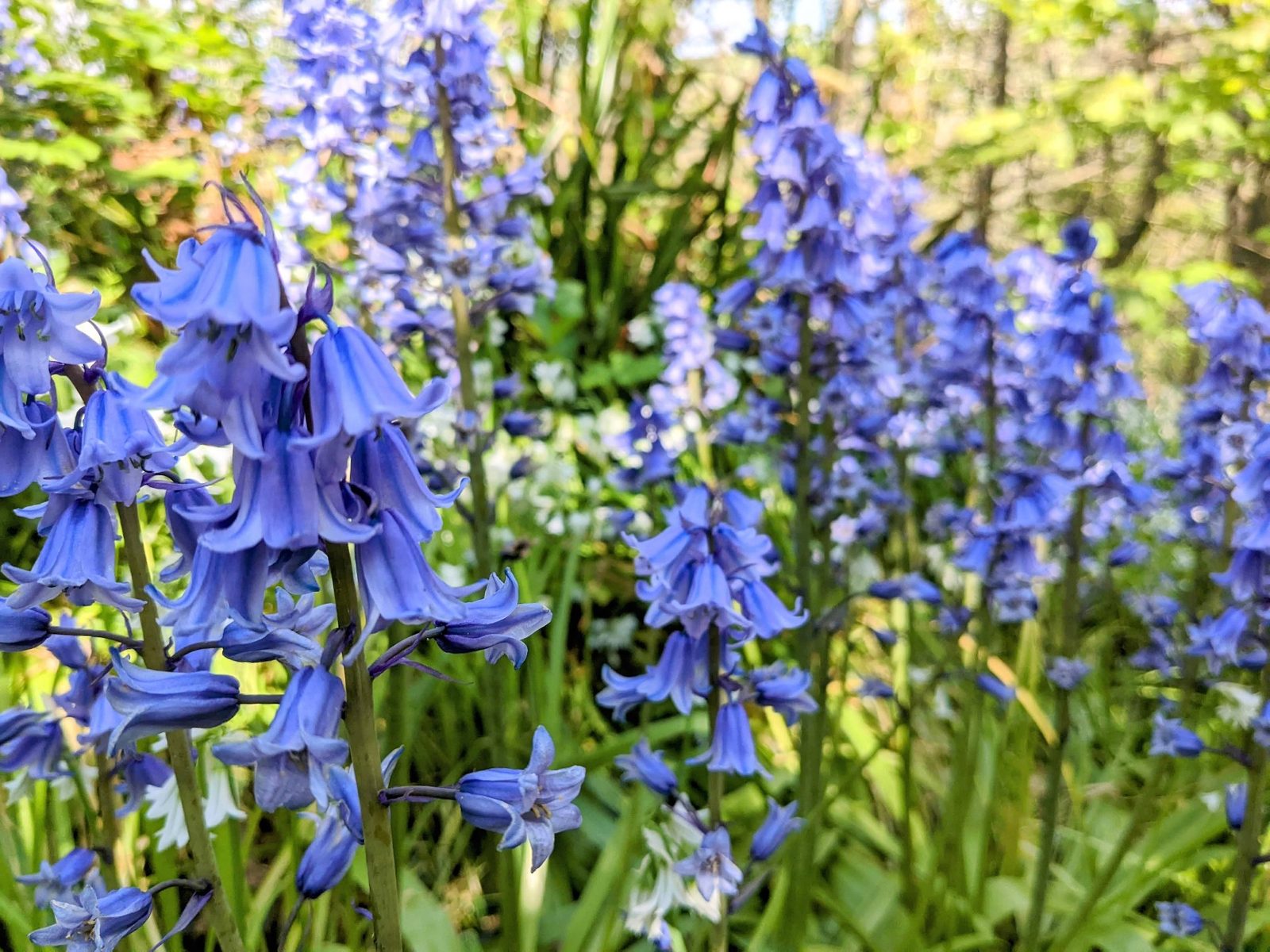
"The gate of summer swings open."
In Ireland, the Tuatha Dé Danann lit great fires on the hilltops at Beltane; every household fire was doused and relit from the communal flame, and the God and Goddess married while the boundary to the realm of the fae thinned dangerously. In Wales, the summer king Gwythr ap Greidawl won his annual battle against winter's Gwyn ap Nudd for the maiden Creiddylad — a fight refought every Calan Mai, with the same result. In the Germanic north, Walpurgis Night sent bonfires up the hillsides against the witches said to fly to the Brocken, and Sweden's Majblot thanked the gods for the growing season with mead poured on the earth. By morning in all these traditions, the maypole stood, ribbons streaming, danced around by the whole community. FireThinning VeilUnion
Rome gave this stretch of the calendar more festivals than any other. The Floralia ran six days, petals scattered in the streets, hares and goats released, ordinary decorum suspended while Flora reigned. The Parilia purified the flocks: shepherds drove sheep through smoke of sulphur and rosemary and jumped the bonfires themselves, on the same day tradition held Romulus had founded the city. Cerealia sent women through the streets by torchlight re-enacting Ceres' search for her stolen daughter, foxes released with burning tails through the Circus Maximus. The Vinalia opened the wine cellars and poured the first cup to Jupiter. FireAbundance
The Mandaean Dehwa Daimana, on the community's own solar calendar, honoured the heavenly beings with baptism in flowing water and a shared ritual meal — a quieter register of the same seasonal turning. In the Punjab, Vaisakhi falls at the solar new-year point of the Punjabi calendar, and it was on this day that Guru Gobind Singh founded the Khalsa, calling for volunteers willing to die and receiving five who stepped forward — the harvest of the fields and the harvest of the community's commitment converging on the same fixed date. In Thailand, Songkran is set by the sun's entry into Aries: elders receive scented water poured over their hands by the young, and the streets fill with a water fight understood as washing the old year fully away. UnionAbundance
Not every solar-dated festival in this window fits the season's expected mood. The Inca Ayamarca, held at the Southern Hemisphere's equivalent point in November, is a procession of royal mummies and offerings to the dead — solar-timed, but thematically closer to the Veiling than Flourishing. It's a useful reminder that matching a festival's calendar mechanism to this point in the year doesn't guarantee its theme will match too; some cultures simply had other business to attend to at this date. Thinning Veil
For each theme
How to Celebrate
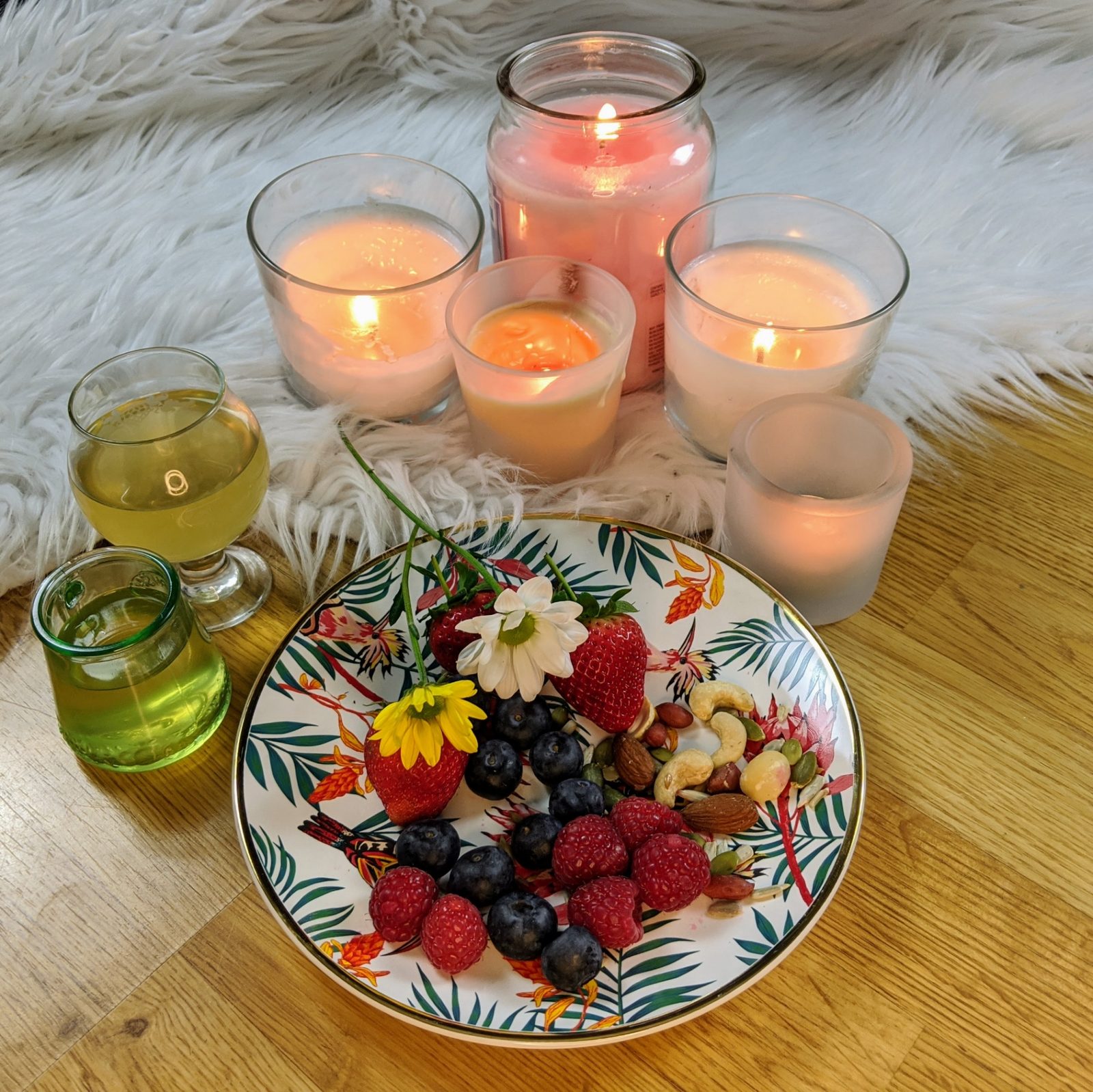
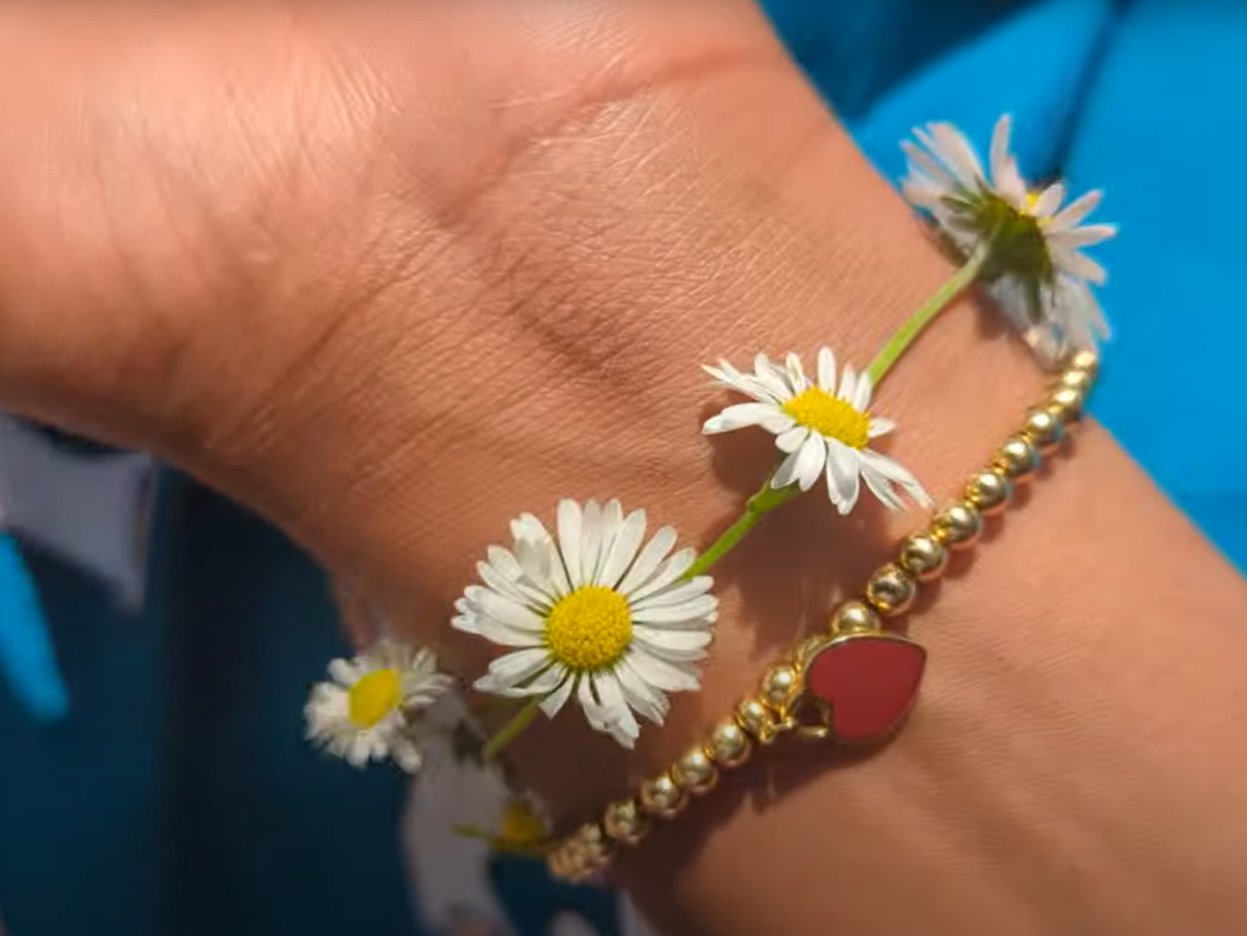
- Union
- If you have a partner, mark the day together — a handfasting, a renewed vow, or simply naming what you're building together this year. If you're marking this alone, commit to something: a project, a practice, a relationship with yourself.
- Thinning Veil
- Leave an offering outside for whatever you consider the "other side" — food, drink, or flowers left at the threshold or in the garden overnight. Pay attention to dusk and dawn, the traditional hours when the boundary is thinnest.
- Fire
- Light a bonfire, or at minimum a substantial fire outdoors, and jump it — with someone if you can, alone if you can't, moving from the dark half of the year to the bright. If you have animals, symbolically walk them (or yourself) through the smoke, echoing the Parilia's purification of the flocks.
- Abundance
- Scatter flowers, raise a maypole or decorate a branch with ribbons, and give something away extravagantly — food, time, attention — without expecting anything back.
Feast
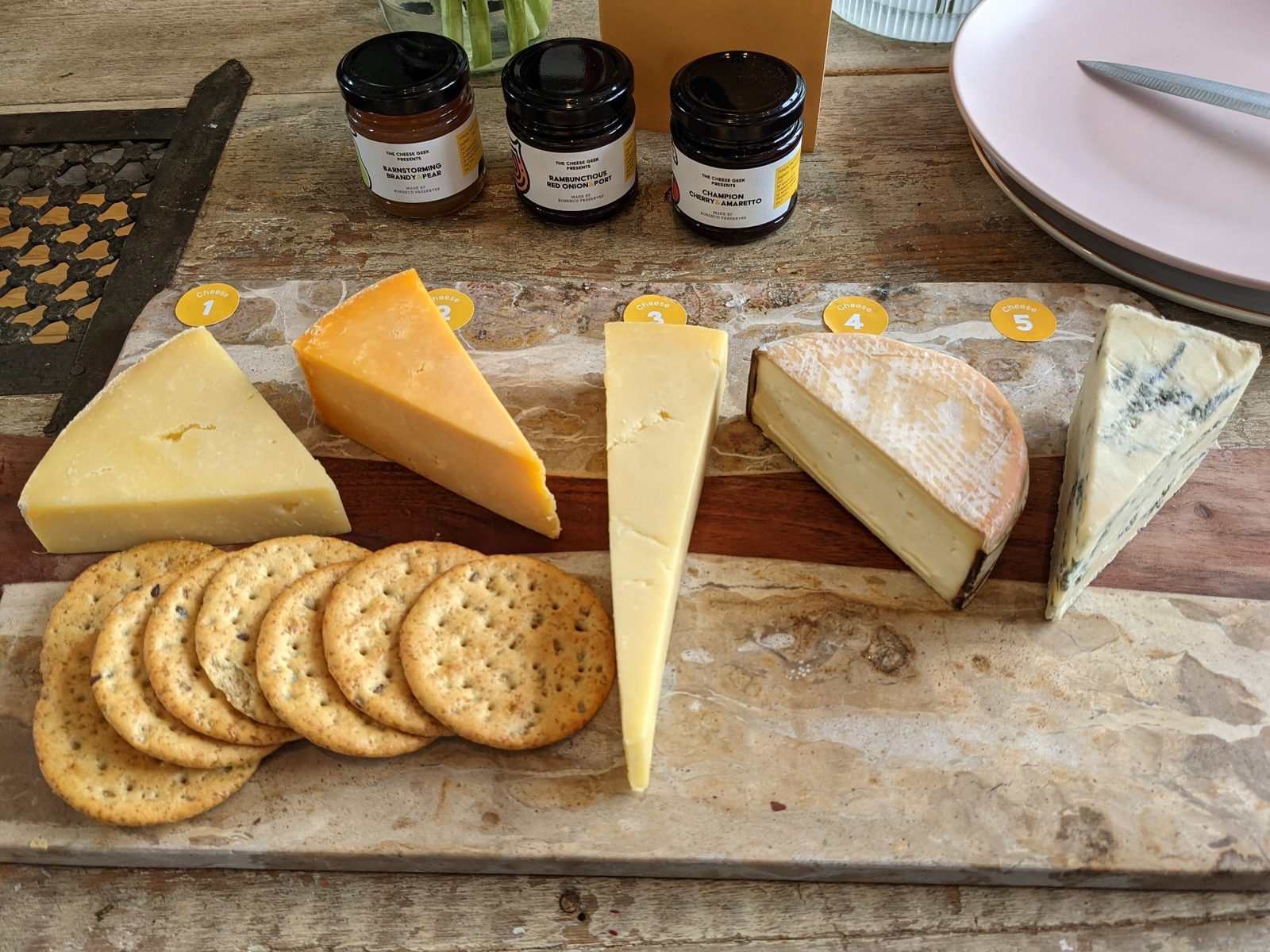
Prepare fresh dairy: a caudle of egg and milk, fresh cream, soft cheese. Bake honey cakes and seeded breads. Serve fresh greens and early vegetables — asparagus, new peas, broad beans — the land is producing now. Eat strawberries and other early fruit. Open a bottle of wine, mead, or cider and pour the first measure as an offering before you drink. Eat outdoors if you possibly can.
Around the world
Elsewhere, on other calendars
These celebrations are grouped here by season, theme, and shared date — not because they are all part of the wheel, and not because they all use a solar calendar. Many are lunar or lunisolar, and their timing drifts through the year.
- Union
- Hindu and Jain Akshaya Tritiya (lunisolar) is considered the most auspicious day of the year for weddings and new ventures — a different calendar arriving at the same instinct that this is a season for binding commitments.
- Thinning Veil
- Christian Pentecost (lunisolar — fixed fifty days after the moveable feast of Easter) marks the Holy Spirit's descent as tongues of fire and the birth of the Church; Ascension forty days after Easter marks the corresponding withdrawal upward. Both are boundary-crossings.
- Fire
- Jewish Lag BaOmer (lunisolar — the 33rd day of the Omer count from Passover) lights great bonfires, especially at Mt. Meron, on almost exactly the same instinct as Beltane's hilltop fires, arrived at independently.
- Abundance
- Buddhist Vesak (pure lunar — the full moon of the month Vaisakha) marks the Buddha's birth, enlightenment, and death together, and is marked with almsgiving and the release of caged birds. The Athenian Thargelia (Attic lunisolar calendar) offered first fruits to Apollo only after driving two scapegoats from the city — abundance received, but only once the community judged itself clean enough to receive it.
Korean Chongmyo Taeje was traditionally scheduled by the lunisolar calendar but is now held on a fixed Gregorian Sunday in modern practice — a calendar in transition.