Summer solstice · Late June
Midsummer
Radiance — Energy and Abundance
Pronounced MID-SUM-uh
- Northern
- Southern
- ~21 June (Summer Solstice)
- ~21 December
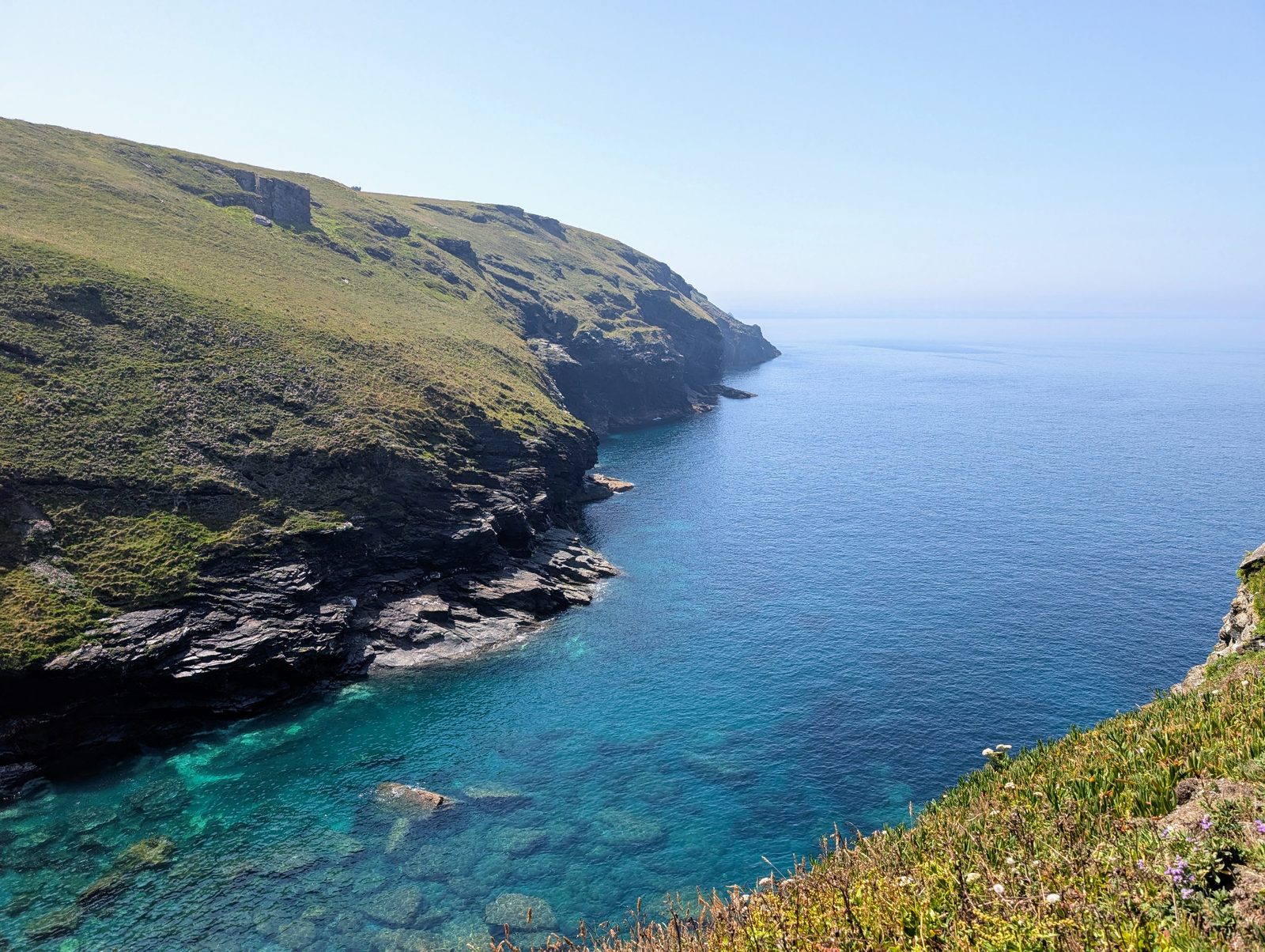
The sun stands still. For a day, perhaps two, it rises at the same point on the horizon and climbs to the same impossible height.

From the story of the year
"At the turn of the day, standing in the one place in the yard where the sun fell straight down instead of at a slant, Ash cast almost no shadow at all."
"The sun stands still."
In the Norse world, Baldr the Beautiful shines at his brightest, but Baldr is the god who will die — maximum light already carrying the foreknowledge of loss. Bonfires burned all night on hilltops and shorelines because the sun barely set at all, and burning sun-wheels were rolled downhill toward the river. The Druids called it Alban Hefin, the Light of the Shore, and marked the moment the Oak King — having ruled since midwinter — reached his zenith and yielded to the Holly King, an exchange acknowledged without grief, because both kings are necessary. Peak & TurningFire & Water
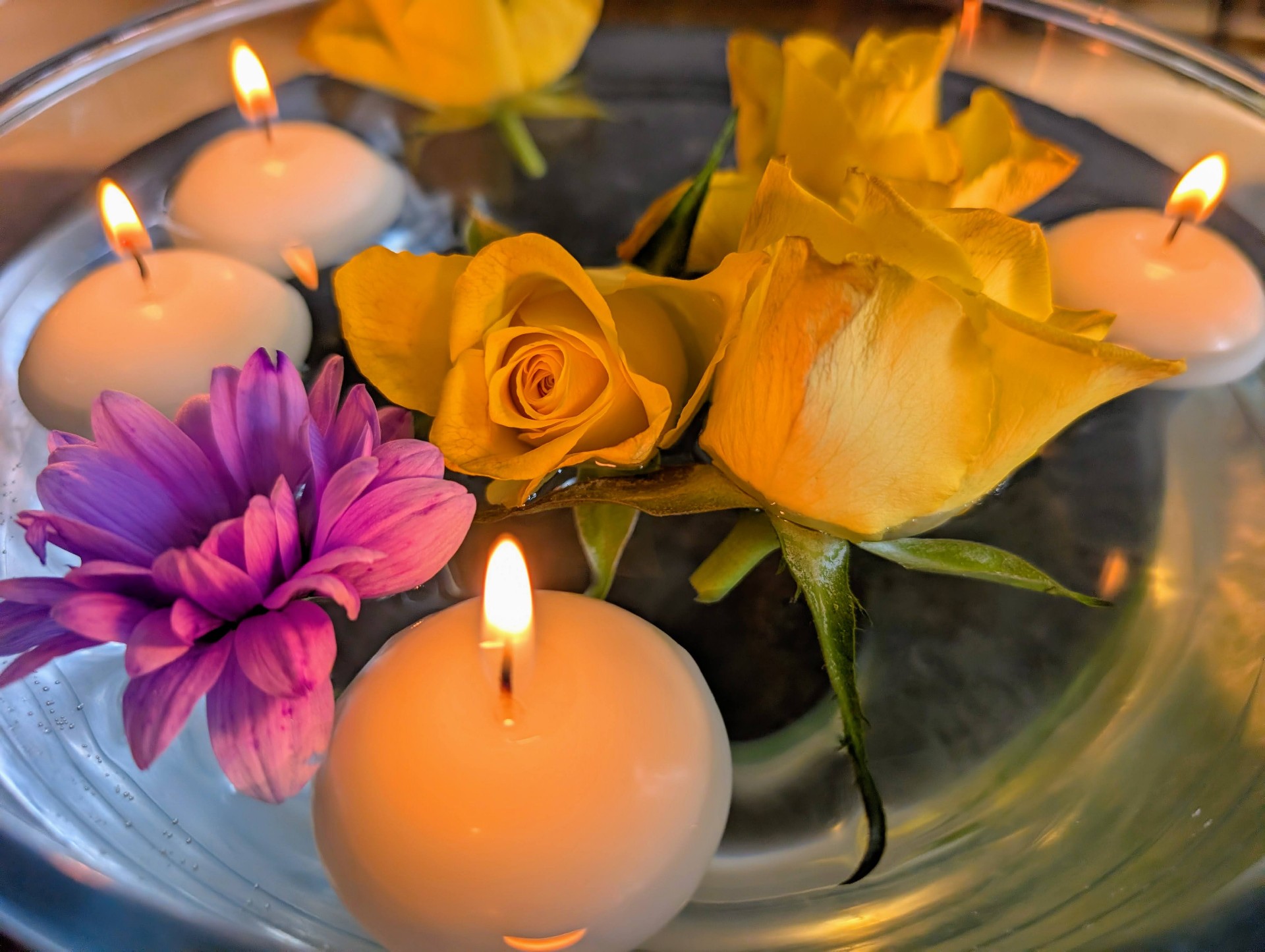
On Kupala Night, the great Slavic midsummer rite, lovers searched for the fern flower that blooms only at midnight, understanding perfectly well that ferns don't flower — the search was the point. Couples jumped bonfires hand in hand; wreaths of flowers with candles floated on the water, their drift read as fortune. Fire and water are partners at this season everywhere it's marked: the bonfires burn by rivers, the wreaths float lit. Greek Klidonas, fixed to St John's Eve in the Greek folk calendar, drew "silent water" fetched without speaking, objects read from the jug the next day as the future became briefly legible. Fire & WaterDivination
Rome opened Vesta's innermost sanctum, ordinarily forbidden to all but her Vestal Virgins, to every woman in the city for eight days — the hearth-fire made briefly communal. The mills stopped; the donkeys that turned them were garlanded and given rest. In Persia, the Zoroastrian Tirgan told of Arash the Archer's shot from Mount Damavand to the Oxus, flying from dawn to sunset on the longest day, and marked the day with water play and rainbow wristbands tied on for ten days before being released into a stream. In China, Xià Zhì — one of the twenty-four solar terms, fixed to the solstice itself rather than any lunar reckoning — once saw the emperor sacrifice to Earth in cosmic balance against the winter sacrifice to Heaven. Fire & WaterPeak & Turning
The Hopi kachinas, present in the villages since February, departed at the Niman Home Dance, dancing one last time and giving dolls and corn to the children before returning to the San Francisco Peaks — the community left to sustain itself without the spirits' visible presence until the cycle turns again. In the Andes, at the Southern Hemisphere's own solstice in December, the Inca held Capac Raymi: noble boys underwent the warachikuy ordeal to prove their manhood while the Sapa Inca led the sunrise ceremony at the Qorikancha, the empire's compact with the sun renewed at its own hemisphere's peak. DeparturePeak & Turning
For each theme
How to Celebrate
- Peak & Turning
- Watch the sunset and, if you can manage staying up between the two, the sunrise as well — note where the sun sits on the horizon at each. Name something in your life that has reached its peak and consciously acknowledge that it's beginning to turn.
- Fire & Water
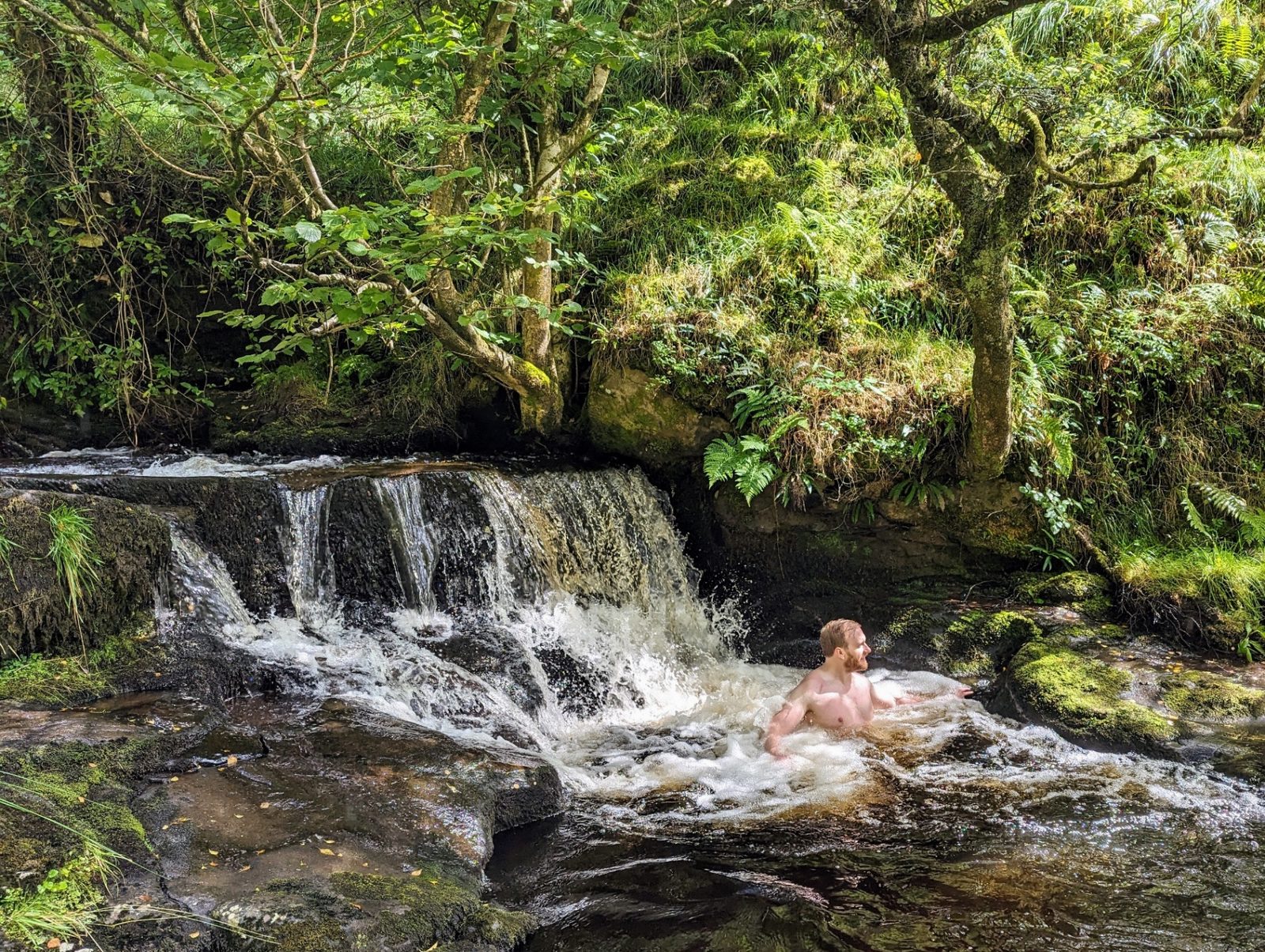
- Light a bonfire near water if you can — a shoreline, a riverbank, a bowl of water placed beside the flame if nothing larger is available. Jump the fire, with someone if possible. Then bathe in natural water: swim in a river, a lake, or the sea, echoing the Norse midsummer swim, Kupala Night's mass bathing at dawn, and Tirgan's water play. If open water isn't available, draw a deliberate bath with herbs or scented water.
- Divination
- Try a version of the Greek Klidonas divination: in the evening, without speaking to anyone, fetch a jug of water from a spring or tap and drop in a small personal object — a ring, a button, a coin. Cover the jug and leave it overnight. The next day, without looking, draw the object back out; whatever you were thinking about as you drew it is your answer for the year ahead. Gather herbs alongside this: St John's wort, mugwort, and lavender are traditionally cut at their most potent on this night.
- Departure
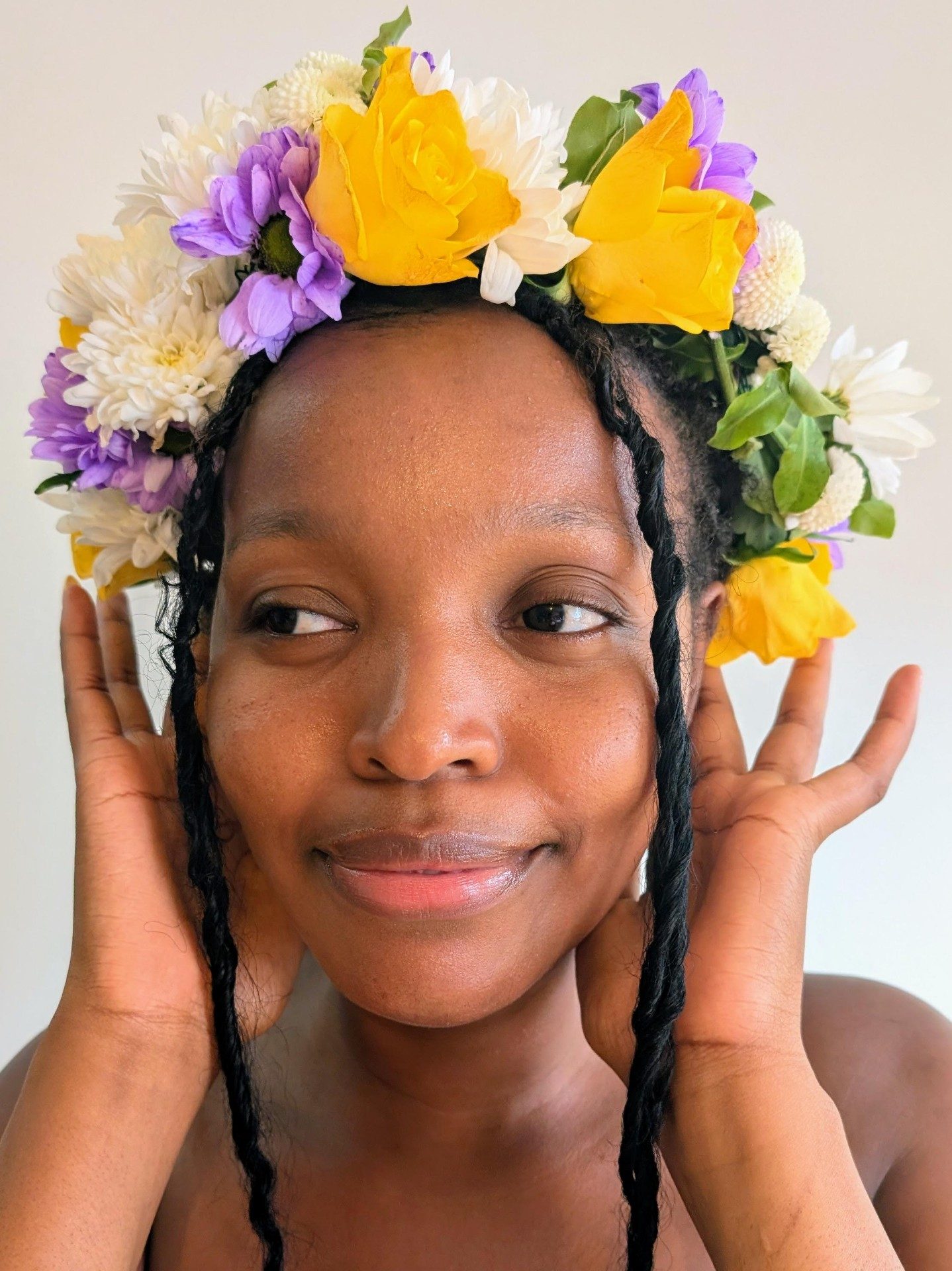
- Weave a flower crown or garland and wear it. Acknowledge something that is departing this season — a role, a project, a phase — the way the Oak King yields to the Holly King, or the kachinas withdraw to the peaks.
Feast
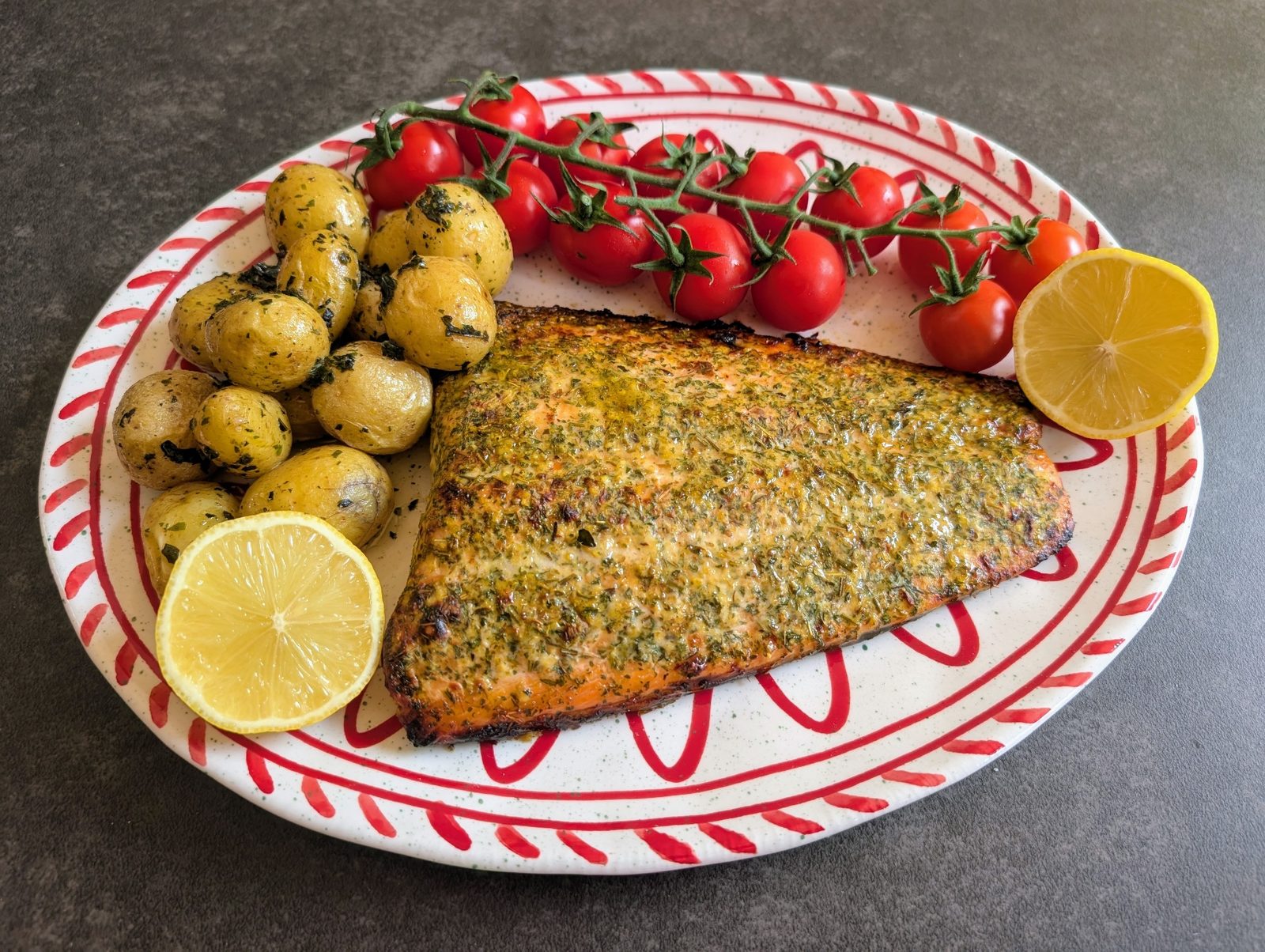
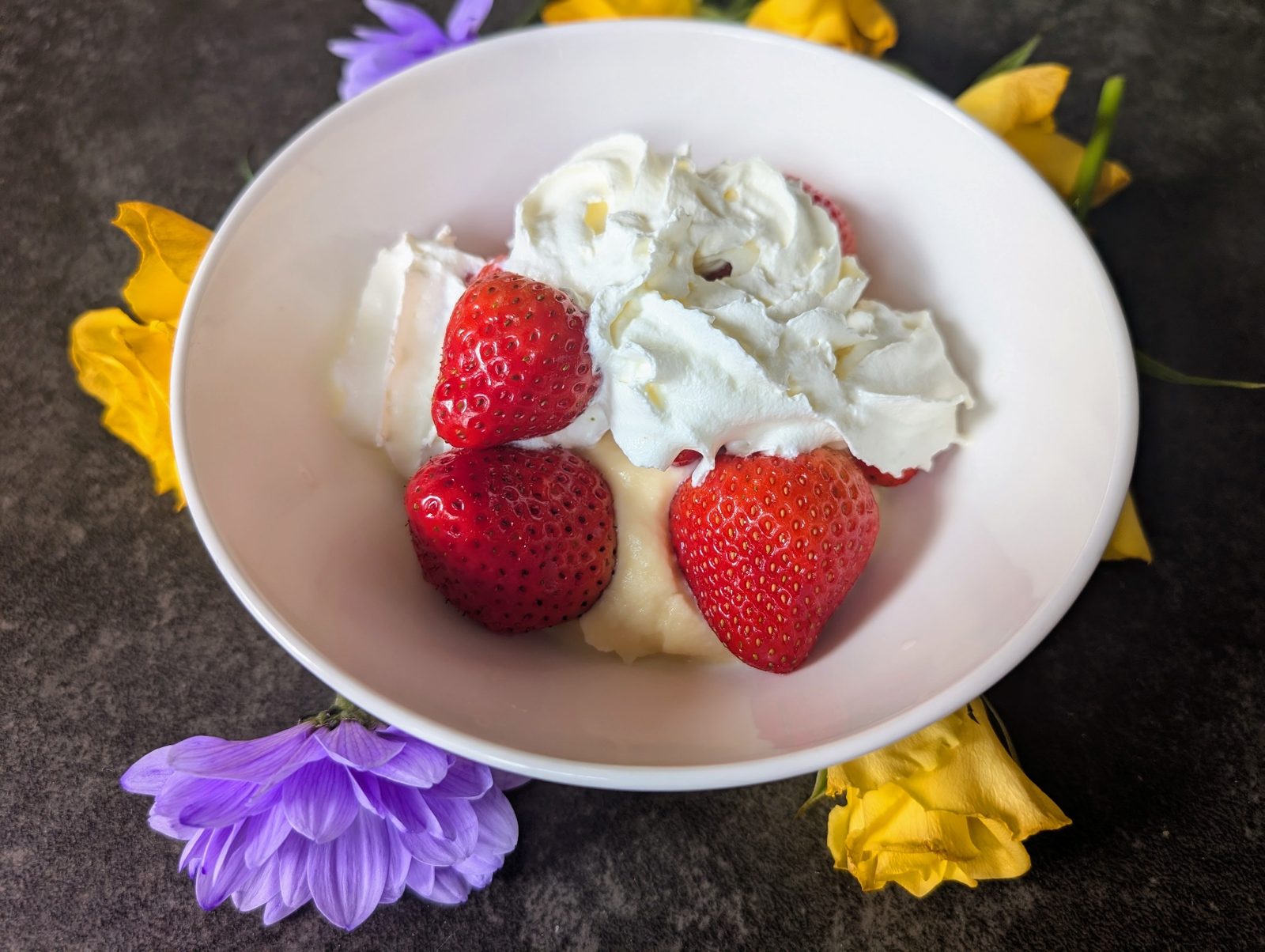
Grill outdoors — this is squarely an outdoor festival. Serve strawberries with cream. Prepare fish and seafood where you can. Bake a sun-shaped bread, round and golden with egg wash or saffron. Drink mead, elderflower cordial, or a chilled floral water, and pour the first measure to the sun before you drink — acknowledging aloud, if you can, that from this point the days grow shorter.
Around the world
Elsewhere, on other calendars
These celebrations are grouped here by season, theme, and shared date — not because they are all part of the wheel, and not because they all use a solar calendar. Many are lunar or lunisolar, and their timing drifts through the year.
- Departure
- Hindu Ratha Yatra (lunisolar) sends Jagannath out of his inner sanctum and into the street on his chariot — the god's own departure from the enclosed sacred space, echoing this festival's Hopi and Andean departures.
- Fire & Water
- The Chinese and Korean Dragon Boat Festival / Dano (lunisolar — fifth day of the fifth lunar month) races boats, hangs protective mugwort, and drinks realgar wine to ward off the height-of-summer's pestilence — thematically close to this festival's fire-and-water instinct.
- Peak & Turning
- The Athenian Skirophoria (Attic lunisolar calendar) carried a great parasol to shade sacred objects from the fierce sun — the same "even divine things can be scorched by too much light" logic as Radiance's other traditions.
Also nearby on lunar calendars without matching any of the four themes cleanly: Hindu, Jain, and Buddhist Guru Purnima / Asalha Puja, honouring teachers and the Buddha's first sermon. Japanese Tanabata is traditionally the 7th day of the 7th lunar month, but many regions now celebrate it on the fixed Gregorian date of 7 July.