Cross-quarter · Early February
Imbolc
Quickening — Revival and Purity
Pronounced IM-ulk
- Northern
- Southern
- ~1 February
- ~1 August
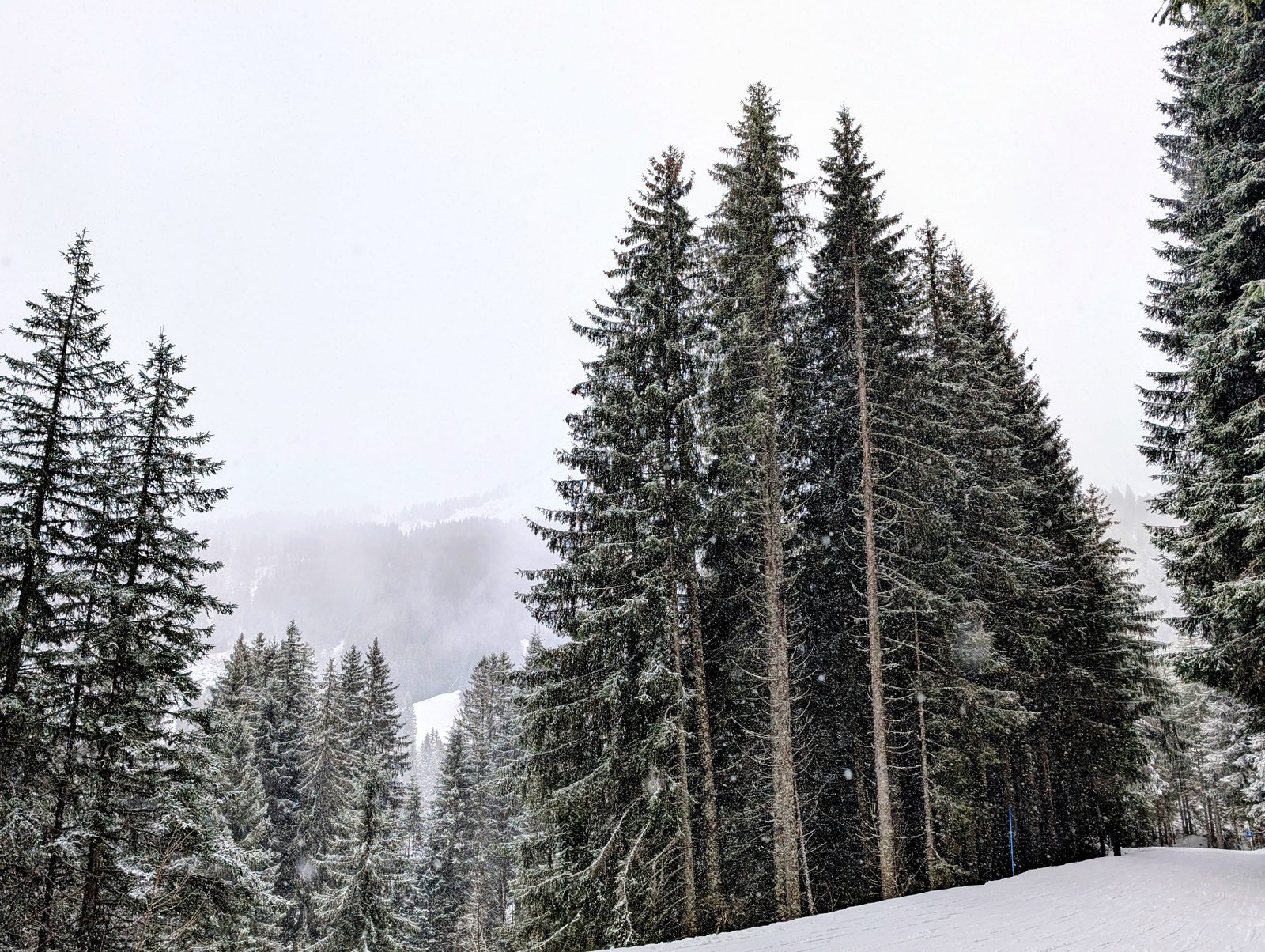
Beneath the frozen ground, something stirs. Life has not ended, only hidden.
Astronomically, the true midpoint between the bracketing solstice and equinox falls a few days later than the traditional date — the next one is on February 4.

From the story of the year
"Ash spent these weeks eating when he was hungry, sleeping when he was tired, and doing the small ordinary work of the season."
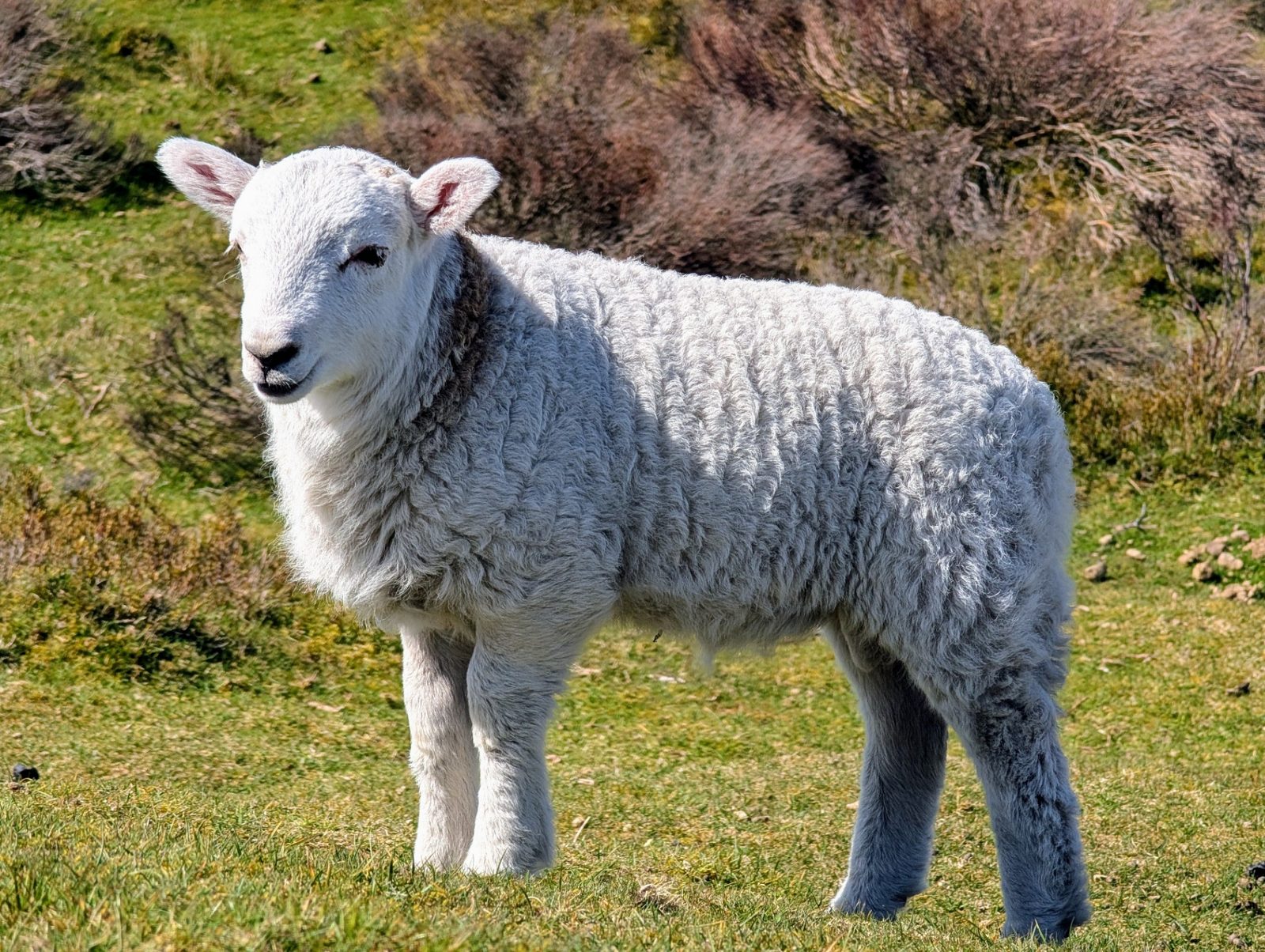
"The first movement after stillness."
In Ireland and Scotland, Brigid breathes on the land. Her white mantle falls across the snow and wherever it touches, the frost loosens its grip; the ewes feel it first, their milk letting down unbidden, lambs quickening in the womb. In some tellings she is a goddess, triple-formed and fire-crowned; in others a saint who walks the roads greening the ditches as she goes. Either way, she is the first warmth, and the earliest Christian calendars fixed her feast to the same date the fire was already being kept — Candlemas, when the returning light is carried into the church in a hundred small flames. Light ReturningPurification
The Norse and Anglo-Saxon peoples marked this same turning with the dísir, female ancestral spirits who return to their living kin when the year cracks open. In Sweden the Dísablót was a formal sacrifice with toasts from the mead horn, held alongside the Disting assembly and market — runes or lots were cast at both, the community reading the year ahead from the ground that was still frozen. The Ingwine offered a "victory-offering," Sige-tiber, in thanks for surviving the dark months. AncestorsDivination
Rome held an entire fortnight to this hinge of the year. The Lupercalia sent bands of near-naked Luperci running through the streets, striking bystanders with goatskin thongs to drive out pollution and stir fertility — purification made physical, ecstatic, and public. The quieter Parentalia followed: families walked to the tombs with violets and wine-soaked bread, and the dead were tended until the joyful Caristia closed the observance with a feast of reconciliation, quarrels settled, the household made whole again before the growing season. Ceres and Tellus received the seed grain at the Sementivae, oxen garlanded and rested, the dormant seed entrusted to the dark soil as to a womb. PurificationAncestorsLatent Life
Further east, the Zoroastrian Sadeh lit an enormous bonfire fifty days before the solar new year of Nowruz, honouring Hushang's discovery of fire — the community gathering warmth and courage for the last stretch of winter. In Japan, Setsubun marks the solar-term boundary of the old calendar: roasted beans are thrown to drive out the oni, "demons out, fortune in," so the new season can enter a cleansed house. Light ReturningPurification
Beyond the old world, the Aztec Atlcahualo asked Tlaloc for the rain that would wake the dormant earth, while in the Andes — where this same solar midpoint falls in the depth of the Southern Hemisphere's winter, around August — Pachamama was asked permission before the frozen ground was broken and readied for the plough. Both are the same gesture in different hemispheres: the earth is not yet ready, but it is asked. Latent Life
For each theme
How to Celebrate
- Light Returning
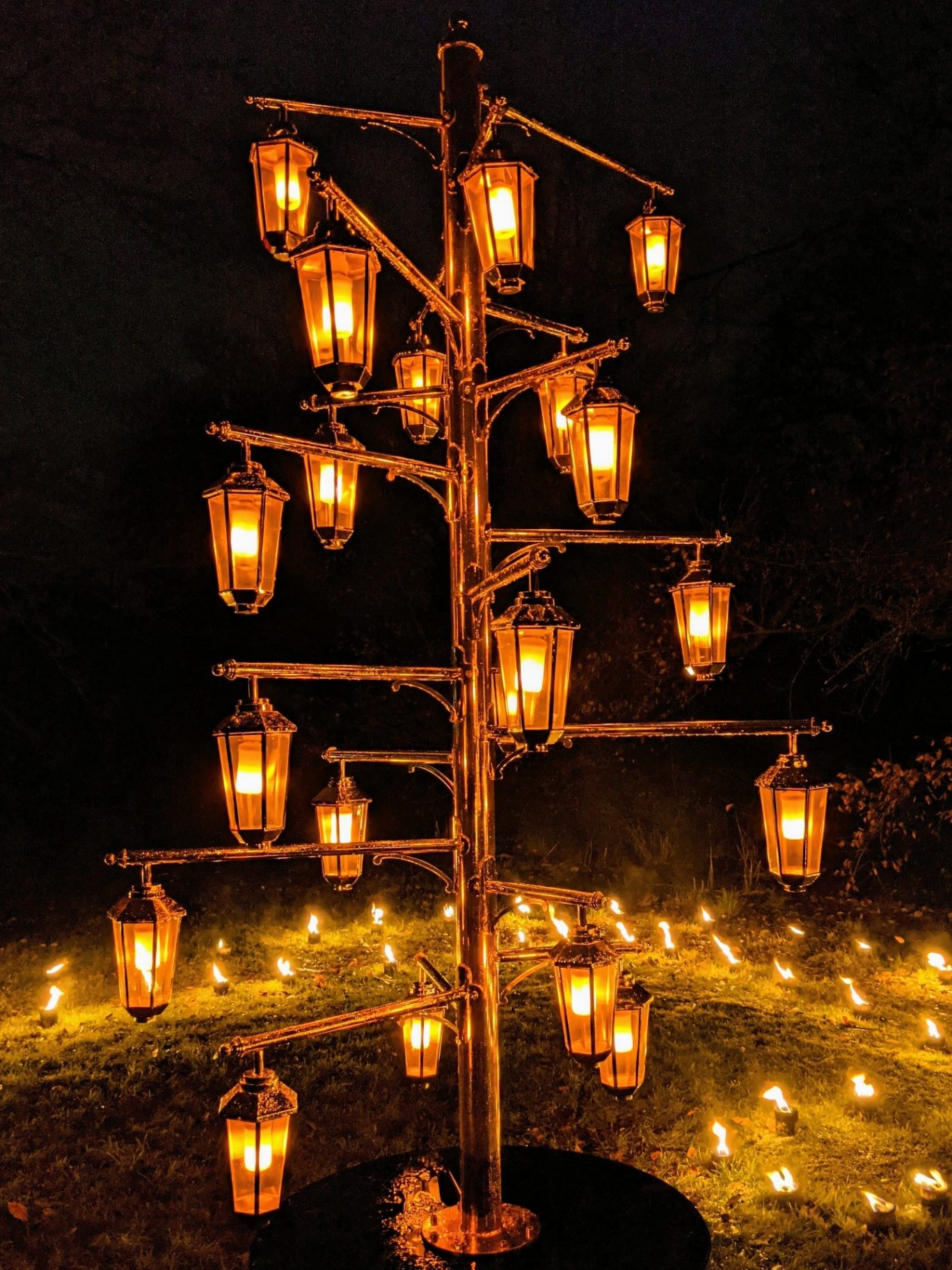
- Light candles throughout the home — one in each window, or a cluster on the table — and sit with the knowledge that the days are lengthening. If you bless candles for the year ahead, this is the time, echoing the Candlemas practice of having a priest bless every household candle at once.
- Purification
- Sweep and clean thoroughly: behind furniture, in neglected corners, under the bed. Wash the thresholds and air the rooms if weather permits. If you want a more active version, borrow the spirit of the Lupercalia or Setsubun: open a door or window, make noise (clapping, banging pots) as you move through each room, and physically usher whatever you're clearing out through the open doorway — an active expulsion rather than passive tidying.
- Latent Life
- Bless seeds and set them aside, even if the ground outside is frozen. Weave a Brigid's cross from rushes or straw and hang it above the door — the act of weaving, hands turning raw material into pattern, is itself the ritual. If you keep livestock, houseplants, or a garden, this is a good day to plan the season ahead.
- Ancestors
- Make an offering to your ancestors: pour a cup of mead, ale, or wine and leave it on a shelf, or hold a sumbel, passing a drinking vessel around the table while each person offers a toast to those who came before. Reconcile a quarrel or reach out to someone estranged, in the spirit of the Caristia's closing feast.
- Divination
- Cast your year ahead. The Norse cast runes at the Dísablót and the Disting; the Irish read the weather at Imbolc — if the day was fair, the Cailleach was gathering more firewood for a longer winter. Consult whatever method of reflection you trust: a rune pull, a tarot spread, or simply writing down what you think the year holds and sealing it away until the next Quickening. The point is not to predict the future but to engage with it, at the moment when the ground is still frozen but the sap is beginning to rise.
Feast
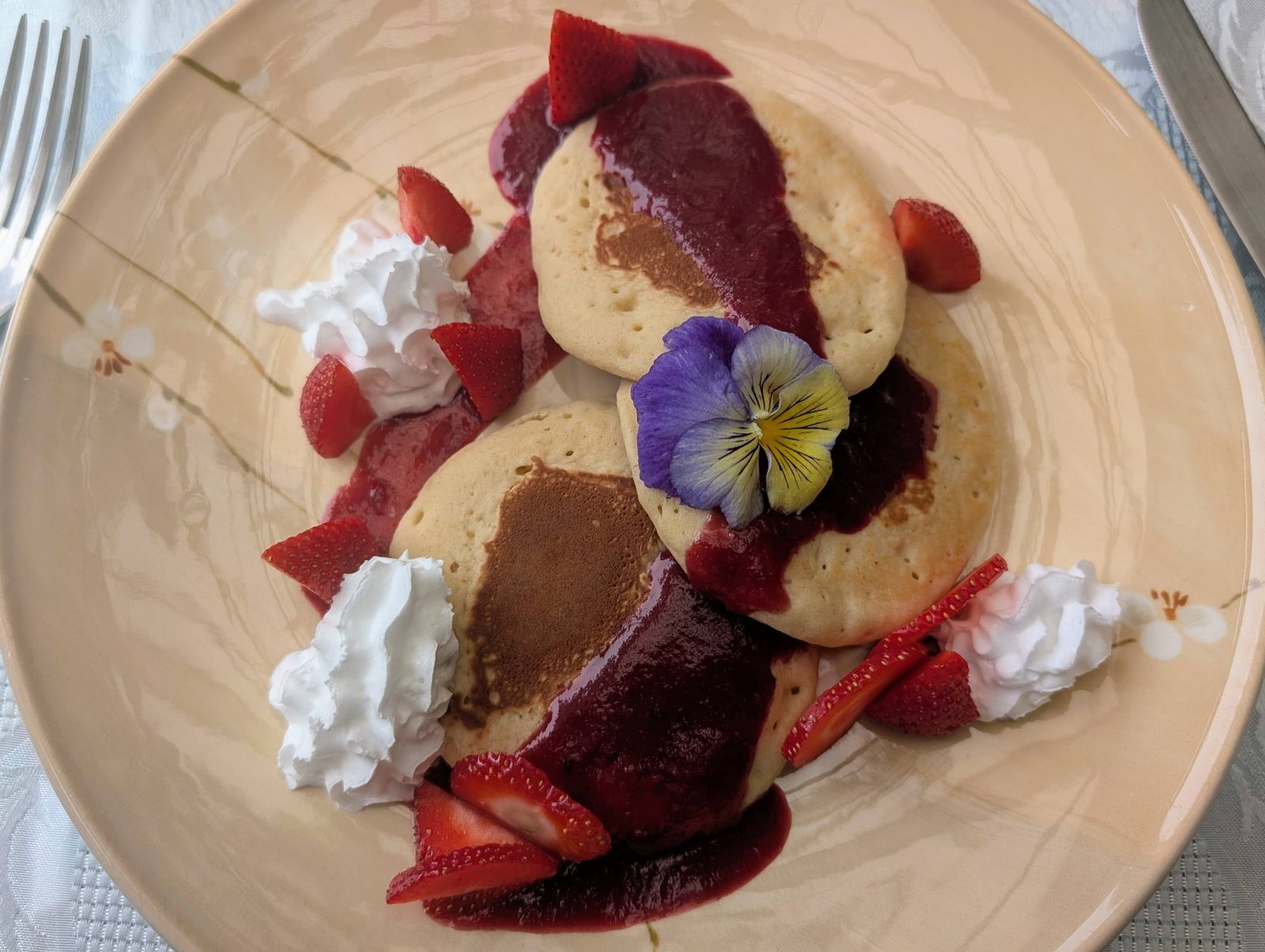
Bake bread or oatcakes — the Celtic tradition centres on dairy and grain: fresh butter, oatcakes, bannocks, colcannon. Prepare pancakes; the round shape carries solar symbolism across several of these traditions independently. Serve dairy foods generally: milk, butter, cheese, cream, echoing Brigid's own offering. Warm, hearty dishes suit the season — stew, root vegetables, roast meat, mead or ale — and if your practice includes ancestor work, set a place for the dead and pour a libation before you eat.
Around the world
Elsewhere, on other calendars
These celebrations are grouped here by season, theme, and shared date — not because they are all part of the wheel, and not because they all use a solar calendar. Many are lunar or lunisolar, and their timing drifts through the year.
- Light Returning
- The Chinese New Year and Lantern Festival (lunisolar — the date moves across late January to late February) drive away the beast Nian with firecrackers and close the New Year period with lanterns lit against the dark. Buddhist Magha Puja (lunar) processes candlelit around the temple three times. Hindu Vasant Panchami (lunisolar) welcomes Saraswati, goddess of learning, with yellow flowers and books laid on the altar.
- Purification
- Hindu Maha Shivaratri (lunisolar) keeps an all-night vigil and fast, austerity sharpening consciousness on "the Great Night" before spring. Tibetan Losar (lunisolar) empties the old year's negativity through masked cham dances and a thorough house-cleaning. Islam's Ramadan (lunar — it drifts through the entire solar year over a 33-year cycle, so it is not reliably a winter festival at all) purifies through fasting and restraint.
- Latent Life
- Jewish Tu BiShvat (lunisolar) marks the trees' sap beginning to rise and is marked with a tree-planting and a seder of fruits. The Maya count Wajxaklajun B'atz' (the 260-day Tzolk'in, entirely independent of the solar year) opens a new cycle of sacred time with a new fire and offerings.
- Ancestors
- Korean Seollal (lunisolar, same new moon as Chinese New Year) centres on the charye ancestral memorial table before the family bows to its elders. The Athenian Anthesteria (Attic lunisolar calendar) opened the boundary between living and dead for three days, spirits fed and then firmly sent away — the same gesture as the Roman Parentalia, on a different clock. Slavic Maslenitsa — despite feeling like Imbolc's twin, with its sun-shaped pancakes and burned winter effigy — is timed from Orthodox Easter and is therefore lunisolar-derived, landing anywhere from early February to early March depending on the year.
- Divination
- The Chinese New Year (lunisolar) sees temples crowded with devotees shaking fortune sticks (qiu qian) and drawing the year's predictions. Tibetan Losar (lunisolar) includes the mo divination system consulted by monks and laypeople as the new year opens. Both traditions arrive at the same instinct as the Norse rune-casting above — the year's shape is asked at its beginning.
The Hopi Powamû ceremony is anchored to the solstice-based kachina season but timed within it by the lunar month, making it a hybrid rather than a clean fit.