Cross-quarter · Early August
Lughnasadh
Reaping — Ageing and Gratitude
Pronounced LOO-nah-sah
- Northern
- Southern
- ~1 August
- ~1 February
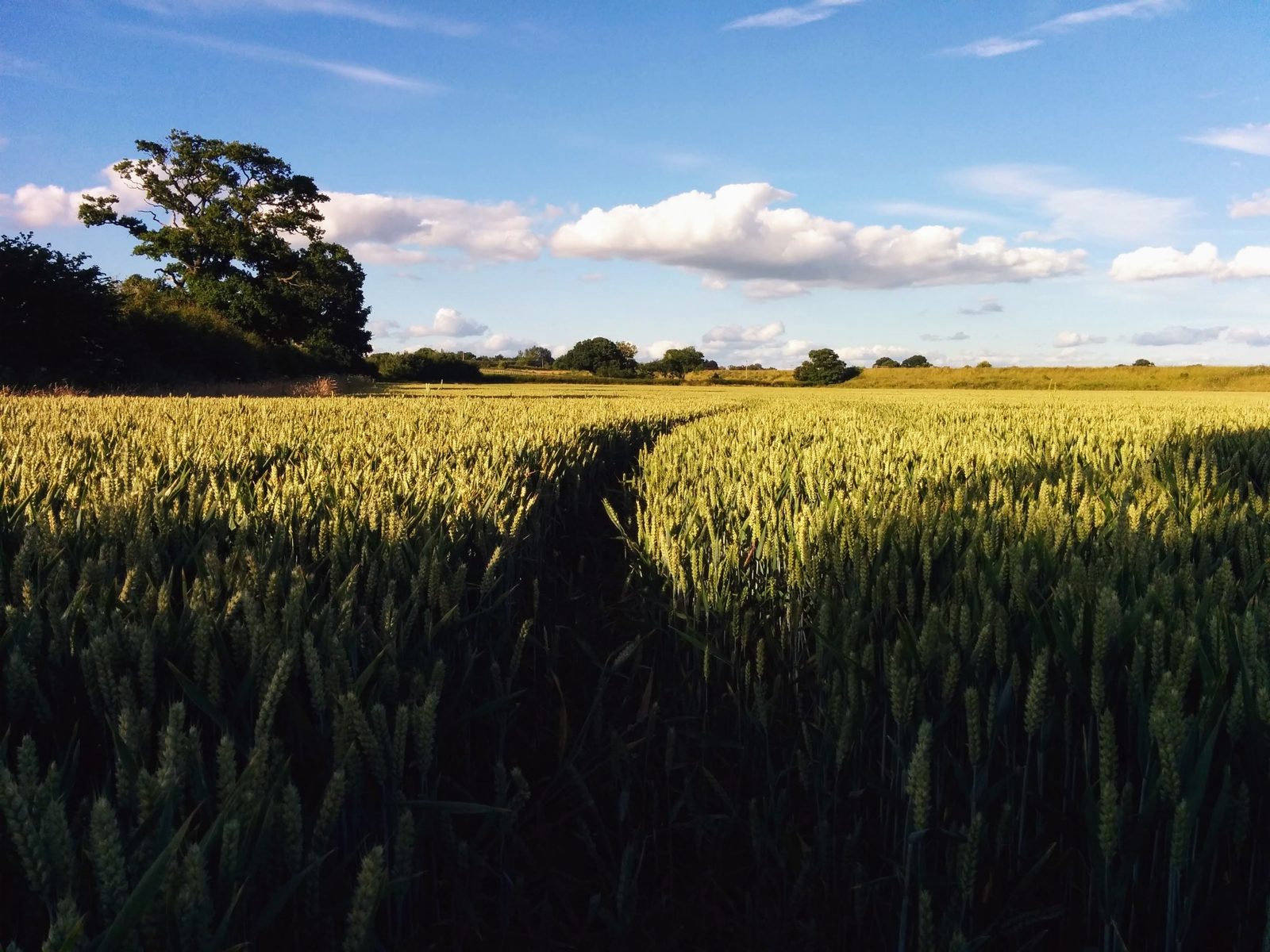
The blade enters the grain. What has been growing since Quickening now falls, and in falling becomes food. The cost of that transformation is never hidden.
Astronomically, the true midpoint between the bracketing solstice and equinox falls a few days later than the traditional date — the next one is on August 7.

From the story of the year
"The blades went through the standing grain in long even strokes, one row falling after another, and the whole field made a sound like a held breath being let out slowly through the teeth."
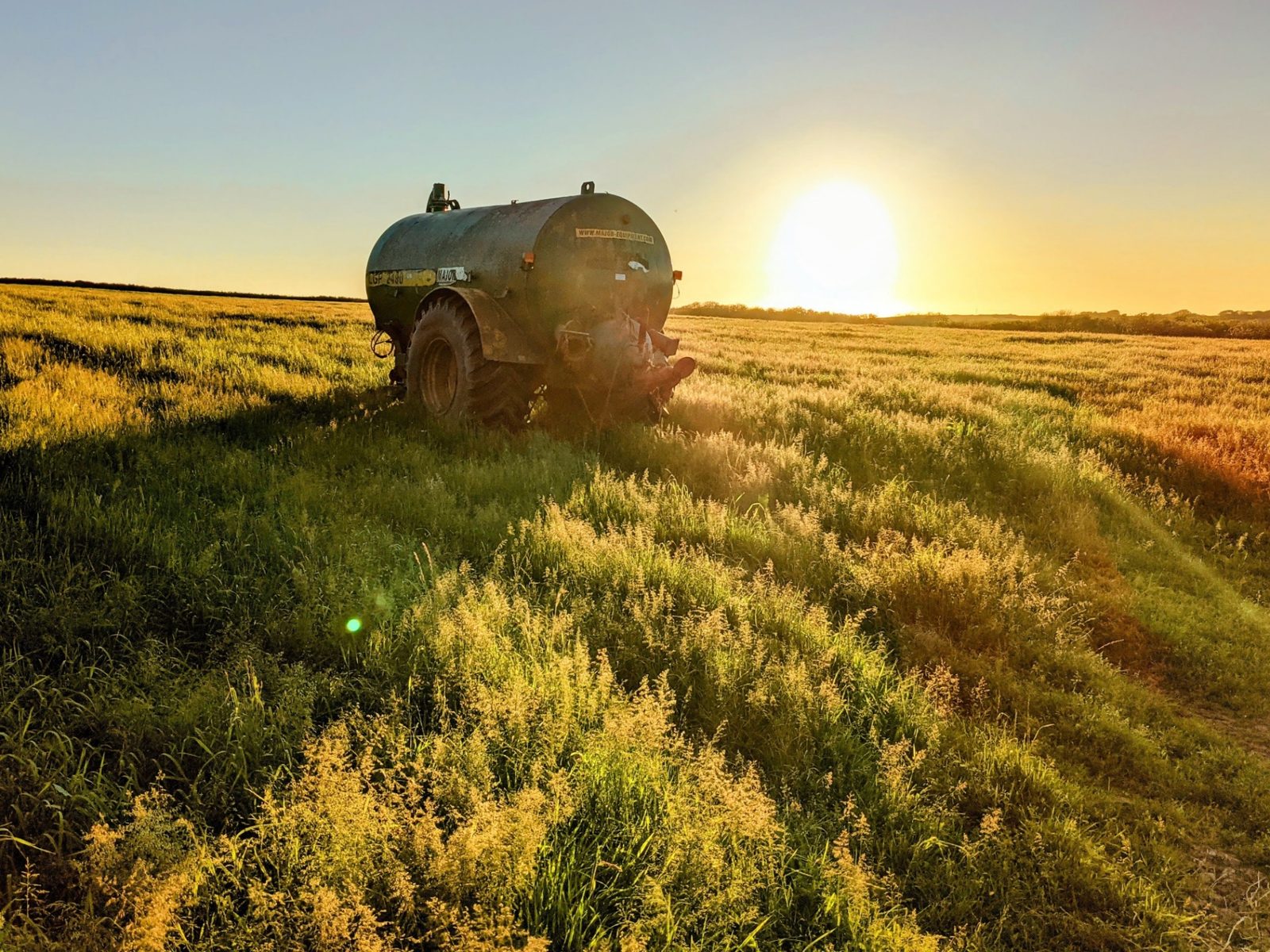
"The blade enters the grain."
In Ireland, Lugh established Lughnasadh as funeral games in honour of his foster-mother Tailtiu, who died clearing the plains of Ireland for agriculture — her death made the fields possible, and the games (running, hurling, trial marriages lasting a year and a day) were mourning and celebration at once. But the games were only half of it: Lughnasadh was also a gathering of craft — smithing, weaving, poetry, and law dispensed alongside the races. In Wales, Calan Awst held eisteddfodau where the community's skill was displayed and judged, the harvest of the hands honoured alongside the harvest of the fields. The Anglo-Saxon hlāfmæsse, Lammas, required the first bread from the new grain to be baked and carried to church for blessing: the grain had to die to become flour, the flour fired to become bread, the bread broken to become food — destruction preceding nourishment at every stage. Sacrifice & BreadCraft
Rome, characteristically, worried about logistics. The Portunalia cast keys into the fire, symbolically locking down what had been gathered. The Vulcanalia came at the height of fire danger in the dry late-August heat, throwing small fish into flames as a substitute sacrifice, asking the smith-god to spare the grain stores rather than take them. The Consualia uncovered the underground altar of Consus, god of stored grain — what grew in the light now had to be hidden in the dark to survive. Storing & Guarding
The Zoroastrian Paitishahem Gahanbar shared its harvest thanksgiving equally between rich and poor at a communal meal, gratitude and anxiety both present in the same gesture. The Eastern Christian calendar blessed the year's grapes and first fruits at the Transfiguration, then spent two weeks fasting before the Dormition of the Theotokos — abundance and restraint held together. Reckoning
Ancient Egypt's calendar turned on the heliacal rising of Sirius rather than the sun directly — a stellar mechanism, not a solar one, though because Sirius's rising recurs at essentially the same point in the tropical year, it doesn't drift the way a lunar or lunisolar festival does, and so functions here much like a solar anchor would. Wepet-Renpet marked the star's return and the Nile's answering flood as the new year and cosmic order renewed together. Days later, the Wag Festival sent small boats out with offerings for Osiris and the blessed dead, and the Opet Festival carried Amun's barque from Karnak to Luxor to renew the pharaoh's authority. AncestorsStoring & Guarding
In the Andes, at the Southern Hemisphere's own equivalent point in February, Hatun-pucuy — the "Great Ripening" — watched the crops mature under a declining sun, chicha poured onto the fields for Pachamama exactly as the Northern grain was being cut an ocean away. Sacrifice & Bread
For each theme
How to Celebrate
- Sacrifice & Bread
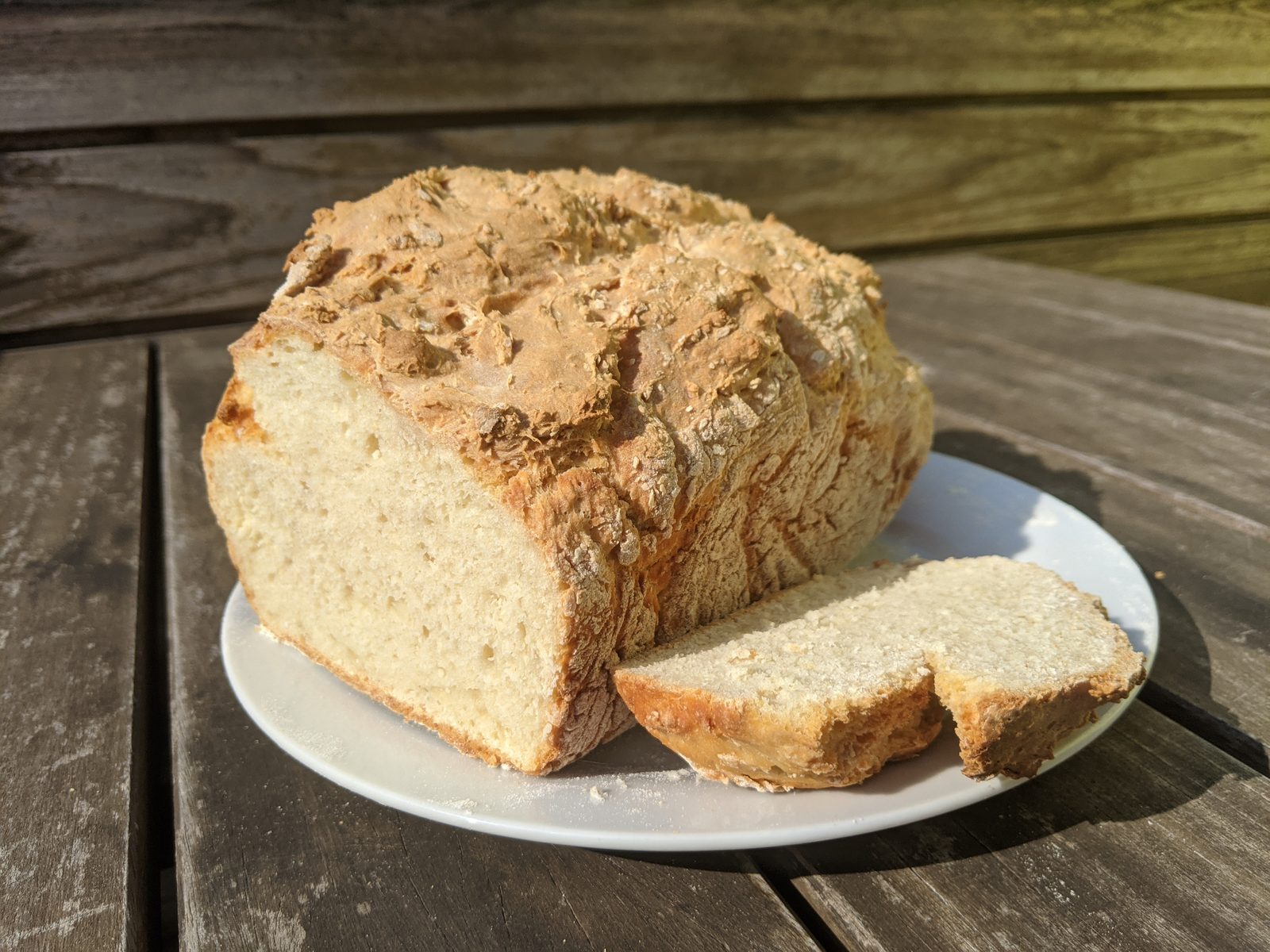
- Bake bread from scratch — the central ritual of this point in the year. If you can source and grind grain, do so; if not, a hand-baked loaf of flour, water, salt, and yeast will do. The first slice belongs on the altar or the earth before anyone eats.
- Storing & Guarding
- Take stock of what you've gathered this year — literally or figuratively — and secure it deliberately: preserve something, back something up, lock something down. Cast a small token (a key, a coin) into a fire as the Portunalia did, marking the storehouse as sealed.
- Ancestors
- Set a place for someone who has died at your table, and speak their name aloud. Leave a small offering of bread and drink at the place you've set.
- Reckoning
- Take on a short period of deliberate restraint — a day of fasting, a day without something you rely on — and let it sharpen your attention on what you're grateful for. Ask honestly what you have done with what you were given this year.
- Craft
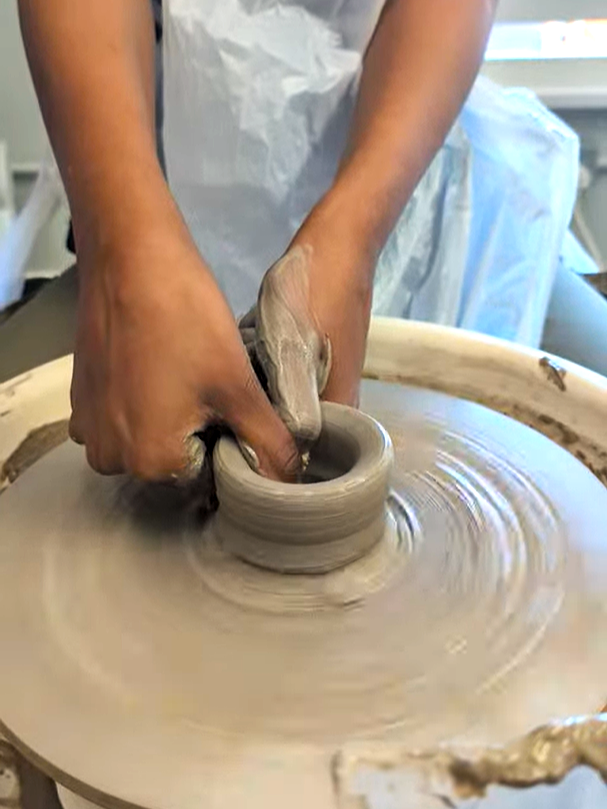
- Show what you have made. Lughnasadh and Calan Awst were gatherings of craft as much as of harvest: the community brought its work — weaving, smithing, poetry, song — and displayed it. Whatever you have built or learned this year, bring it into the light: read something you wrote, perform something, show a finished object. Teach someone what you now know how to do. The harvest is not only of the fields.
Feast
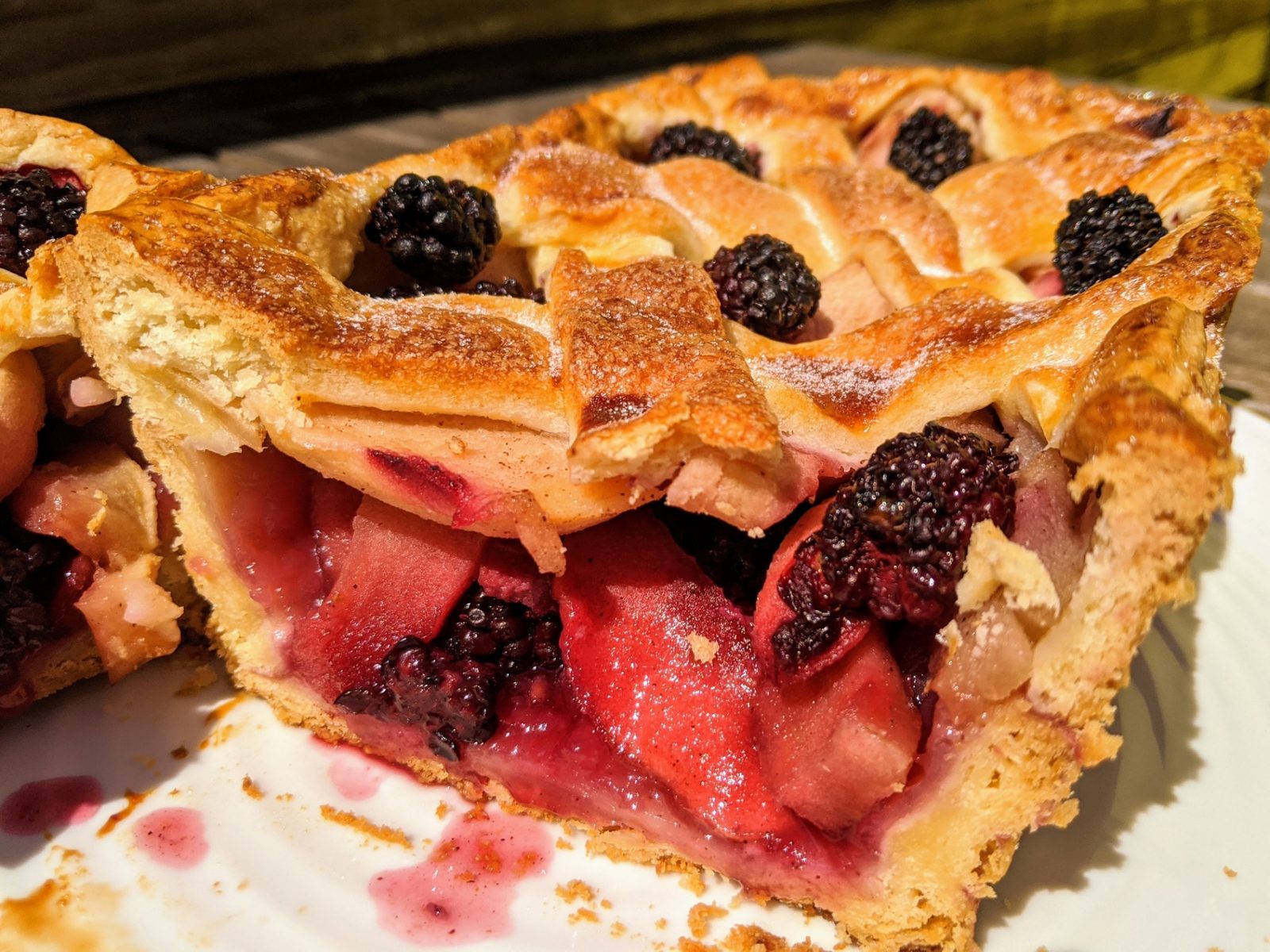
Bake and share bread — non-negotiable at this time, ideally from new-season flour. Prepare a harvest pie or stew; roast pork suits the season across several of the traditions above. Eat berries and early apples. Drink wine, mead, cider, or ale, whatever the land near you produces, and set a place for the dead at your table, pouring a libation for those who helped make the harvest possible through their work, teaching, or love.
Around the world
Elsewhere, on other calendars
These celebrations are grouped here by season, theme, and shared date — not because they are all part of the wheel, and not because they all use a solar calendar. Many are lunar or lunisolar, and their timing drifts through the year.
- Sacrifice & Bread
- Islam's Eid al-Adha (lunar — it drifts through the entire solar year over a 33-year cycle, so it is never reliably an "August" festival) commemorates Ibrahim's willingness to sacrifice what was most precious, with the resulting meat divided in thirds between family, friends, and the poor — the same sacrifice-and-shared-abundance logic as the harvest traditions above.
- Storing & Guarding
- Korean Chilseok (lunisolar — 7th day of the 7th lunar month) eats wheat-flour foods specifically because the grain must be used before the coming rains spoil it — an urgency of preservation that echoes this festival's storing instinct.
- Ancestors
- The Chinese Hungry Ghost Festival (Zhongyuan) and Korean Baekjung (both lunisolar, both the 15th day of the 7th lunar month) open the boundary between living and dead for the ghost month, feeding and placating spirits before sending them back. Japanese Obon shares the same underlying date and the same welcome-fire, floating-lantern structure, though in contemporary Japan it's frequently held on a fixed Gregorian date - mid-July or mid-August depending on region.
- Reckoning
- Jain Paryushana (lunisolar) spends eight days in progressive fasting and reflection, closing with Samvatsari, a day of asking forgiveness of everyone in one's life — reckoning turned outward as well as inward.
Also clustering near this point on lunar or lunisolar calendars: Hindu Krishna Janmashtami, Raksha Bandhan, and the Chinese Qixi Festival — all resonant in theme, all independently timed.