Spring equinox · Late March
Ostara
Awakening — Growth and Balance
Pronounced ES-tuh-ruh
- Northern
- Southern
- ~21 March (Spring Equinox)
- ~21 September
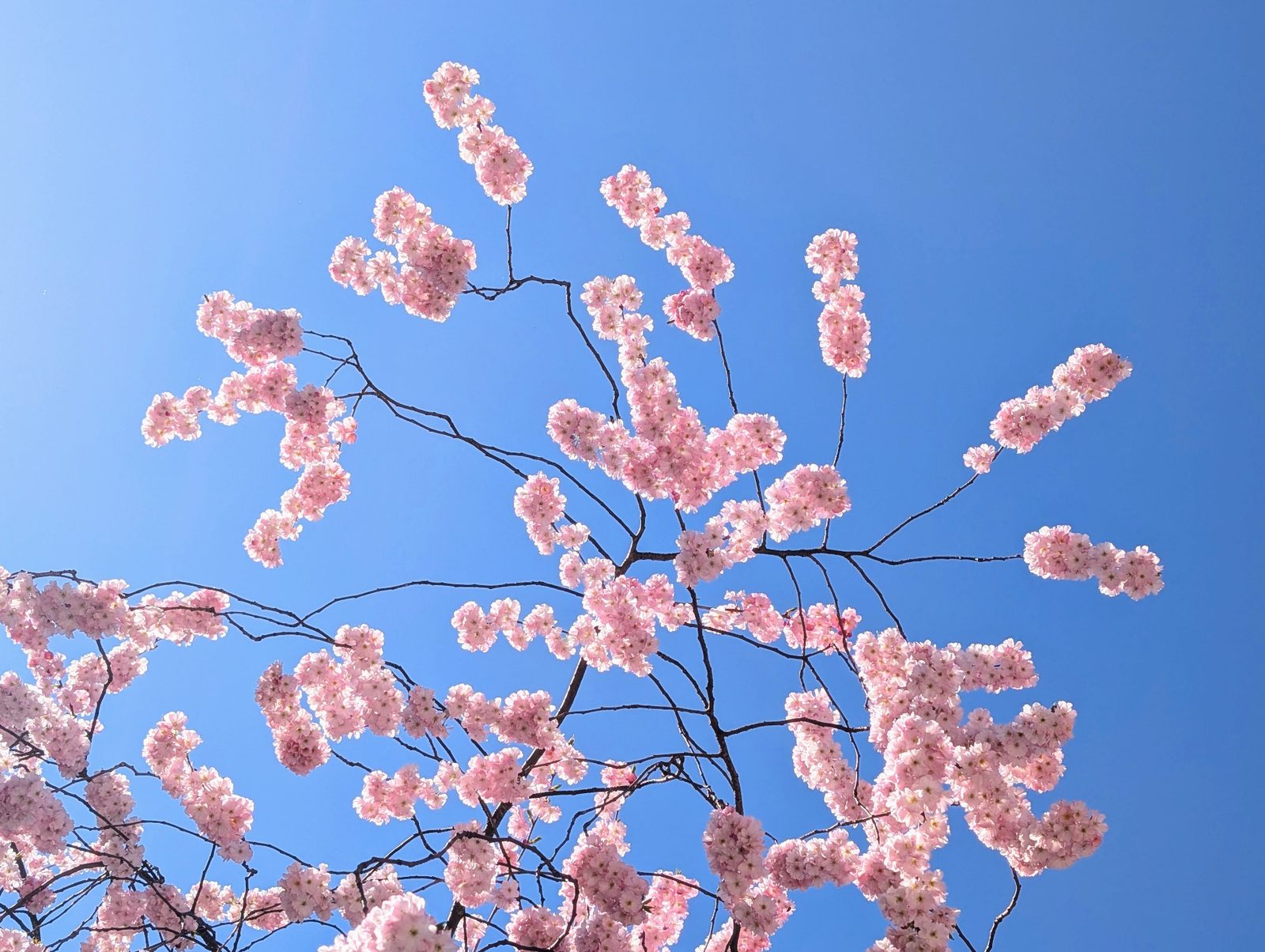
The world tilts. Day and night stand perfectly balanced — and then tip, decisively, toward the light.

From the story of the year
"The line fell exactly along the threshold that morning — the doorframe's shadow neither longer to one side nor the other, night and day weighing the same for the length of one breath before the balance began, almost too slowly to catch, to tip."
"A fulcrum between one state and another."
In the Germanic north, the goddess Eostre opens the way: a dawn goddess whose name carries the word for east, for rising, for the place where light begins. A hare runs ahead of her, laying eggs in the grass, gifts of new life, bright-shelled and unexpected. The Druids called this moment Alban Eilir, the Light of the Earth, and framed it not as light's triumph but as its equilibrium with dark — a meditation on balance rather than victory. Sweden's Vårblot poured mead onto the thawing earth as the land-wights stirred. BalanceRenewal
Rome crowded the equinox with rites of crossing. At the Liberalia, boys of about fourteen put away their childhood toga and donned the toga virilis for the first time, walking to the Forum to be registered as citizens — a threshold marked, once, permanently. At the Hilaria, followers of Cybele mourned the god Attis for three days beneath a pine tree, then erupted into masquerade when he rose again; for one day, anyone could impersonate anyone, before the order righted itself. The Quinquatria opened with Minerva's birthday — wisdom entering the world alongside spring itself. Ireland's Saint Patrick's Day carries the same crossing in Christian dress: Patrick drives the serpents (read as the old paganism) from the land, and the country is claimed for a new order exactly as the green returns. ThresholdCatharsis
In Athens, the Great Dionysia turned the crossing into public theatre: three days of tragic trilogies and satyr plays staged in the open air, not for entertainment alone but for catharsis — the community watching its own fears and griefs enacted so the new season could begin on cleaner ground. Ancient Egypt's Tekh pursued the same release by an inverse route: ochre-dyed beer drunk to excess in Hathor's temple, order restored through sanctioned dissolution. Catharsis
The Zoroastrian calendar treats this whole stretch as a single sustained turning. The Hamaspathmaidyem Gahanbar keeps fires burning for ten days to guide home the fravashis, the spirits of the dead, before Nowruz arrives; on the last Wednesday, Chaharshanbe Suri sends people leaping over bonfires chanting my sickness to you, your strength to me — a transaction with darkness, not its elimination. Nowruz itself resets the world: the Haft-sin table maps the whole of creation in seven small objects, and thirteen days later the greenery grown for the occasion is untied and cast into running water at sizdah bedar. The Mandaean Dehwa Hanina marks the same hinge on its own solar calendar with five intercalary days, Parwanaya, belonging to neither the old year nor the new — a gap in time during which mass baptism renews the soul exactly as the earth renews itself outside. BalanceRenewalCatharsisThreshold
Qingming, and its Korean twin Hansik, are fixed by a solar term ancestor observances, sweeping and tending graves at the fixed point when spring is judged to have properly arrived. In Mesoamerica, the Aztec Tlacaxipehualiztli told of Xipe Totec, "Our Lord the Flayed One," shedding his skin so new growth could emerge beneath it — renewal understood, uncomfortably but directly, as a shedding rather than an addition. In the Southern Hemisphere, the Inca marked the same solar equinox with Coya Raymi: warriors ran outward from Cusco in four directions, carrying sickness to the rivers to be washed away, the Moon honoured as the land was cleansed for growth — the Andean counterpart, right down to the purification-before-growth logic, of the northern rites above. RenewalCatharsis
For each theme
How to Celebrate
- Balance
- Greet the dawn on the equinox morning. Face east and watch the sky lighten in genuine quiet — the point is the equilibrium, not a display. If you keep a light and a dark candle, burn them together and let them stand equal.
- Threshold
- Mark whatever is actually crossing a threshold in your household this season: a coming-of-age, a child learning to read, someone leaving home, a new undertaking. Name it aloud, the way the Liberalia named its new citizens.
- Renewal
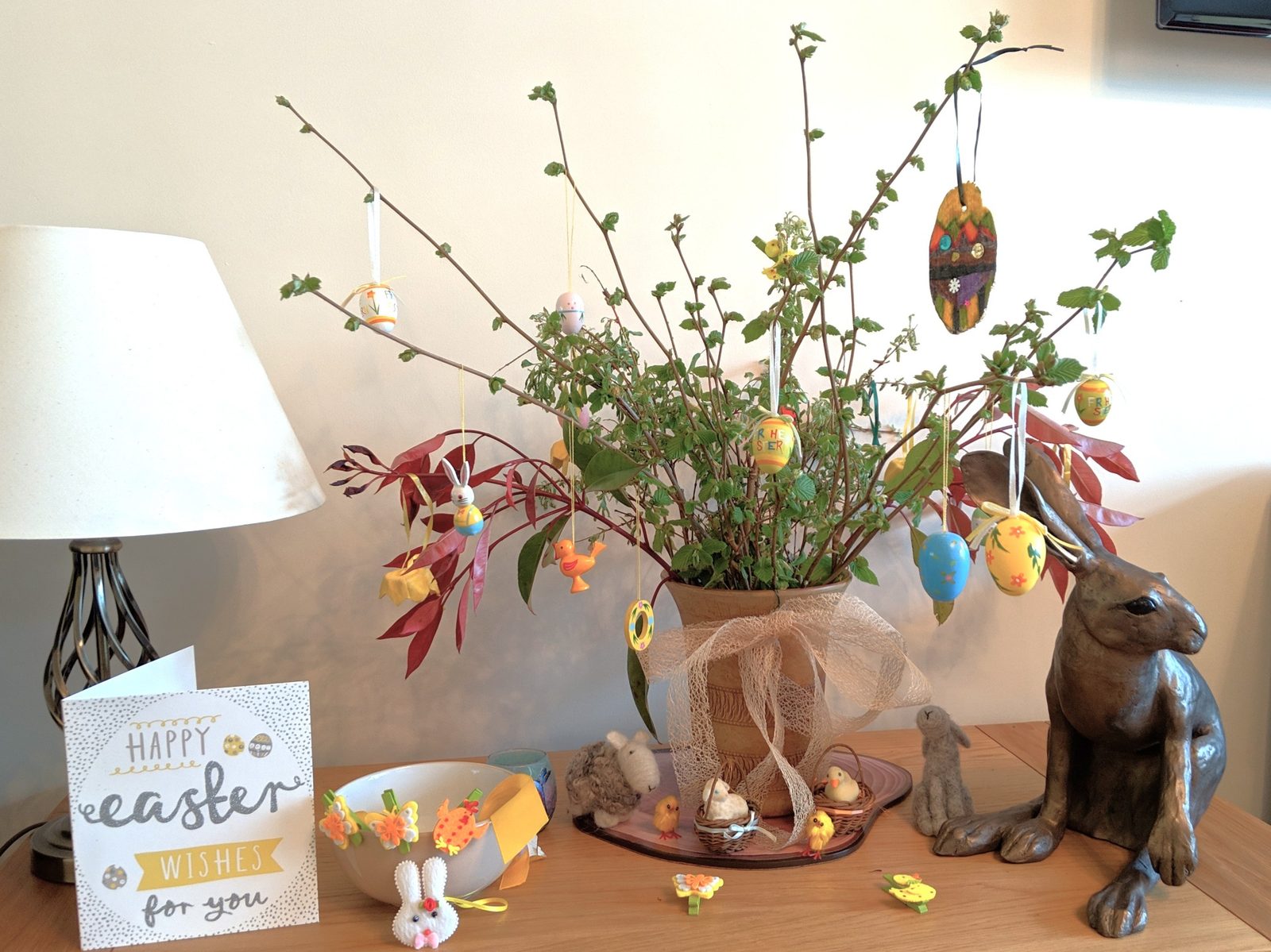
- Decorate and exchange eggs — painted, dyed, or otherwise — the single most widespread symbol of this point in the year, independently arrived at across several of the primary traditions above. Plant seeds literally, in the ground if it is workable. Spring-clean thoroughly: open windows, throw out what is stale, in the spirit of Nowruz's khaane tekaani.
- Catharsis
- Perform or attend drama, storytelling, or poetry — tell a story aloud, stage something, read something out. If you want the more physical version, jump a small fire (safely) and say aloud what you're leaving behind, in the spirit of Chaharshanbe Suri.
- Gathering
- Eat outdoors together. The Nowruz sizdah bedar is the model: take food outside on the thirteenth day and eat with whoever you can gather, tying knots in grass for wishes and throwing greenery into running water. The Zoroastrian Gahanbars shared a communal meal where rich and poor sat as equals. The point is to break bread outside, with others, acknowledging that the earth is about to give you everything — give it your company first.
Feast
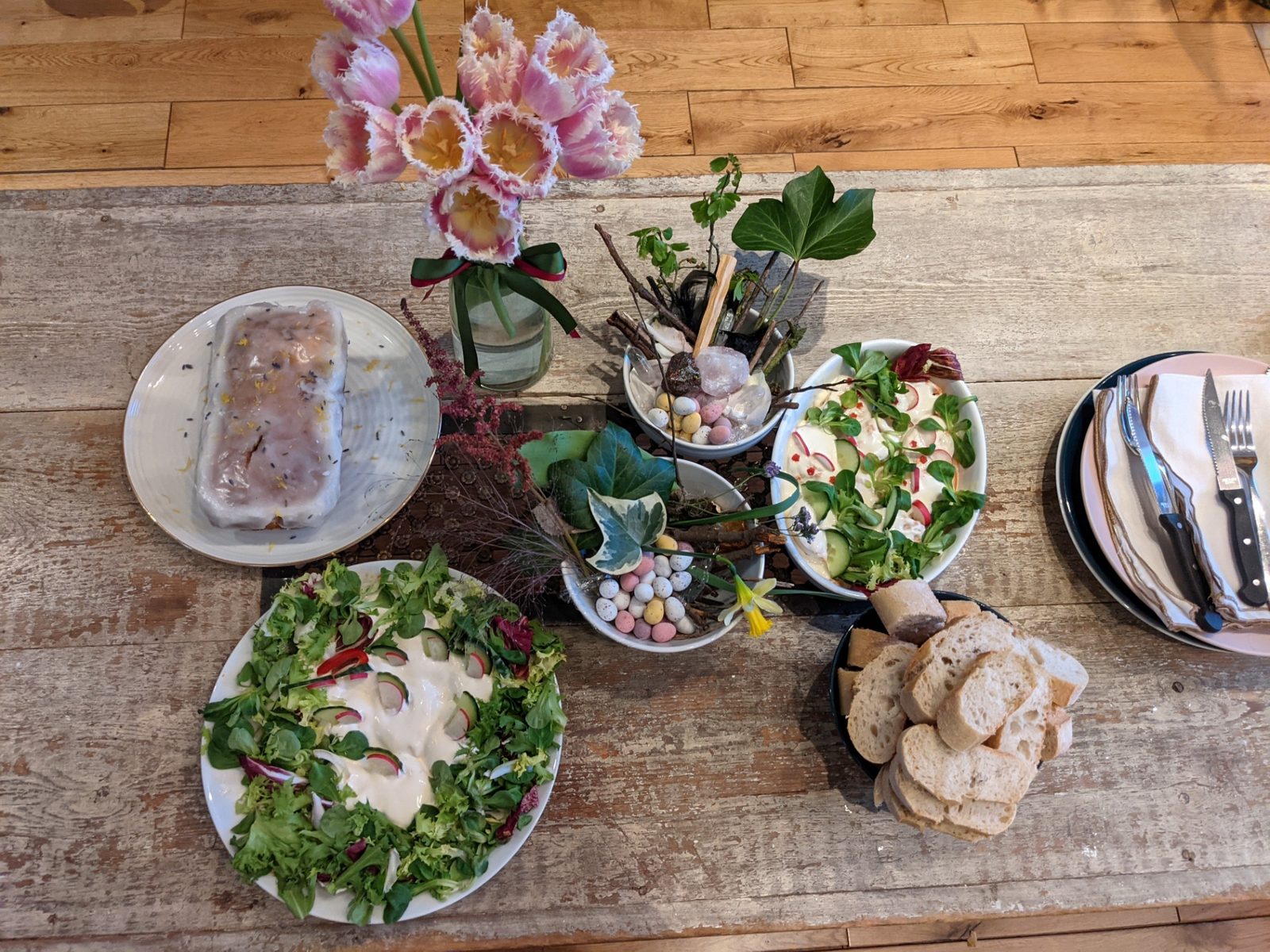
Bake or buy a loaf and share it. Prepare eggs in every form — devilled, quiche, frittata, hard-boiled and dyed — this point in the year belongs to the egg more than to any other single food. Serve lamb, which converges independently across the Celtic, Roman, Zoroastrian, and Andean tables above. Use spring greens and herbs — watercress, nettle, wild garlic, dill, mint. Drink mead, cider, or barley water, and pour the first measure onto the earth before you drink.
Around the world
Elsewhere, on other calendars
These celebrations are grouped here by season, theme, and shared date — not because they are all part of the wheel, and not because they all use a solar calendar. Many are lunar or lunisolar, and their timing drifts through the year.
- Threshold
- Christian Easter is a lunisolar festival, calculated as the first Sunday after the first full moon following the equinox, moving across a five-week window from late March to late April. Its death-and-rebirth threshold is the same shape as the Hilaria's, on a different clock. Islam's Eid al-Fitr (pure lunar — it can fall in any season over a 33-year cycle) marks the threshold out of Ramadan's fast into feasting and renewal.
- Renewal
- Hindu Holi (lunisolar, full moon of Phalguna) burns the demoness Holika on its eve and floods the streets with colour the next day. Gudhi Padwa (lunisolar Hindu new year) raises a flag of victory over the household door. Balinese Nyepi (lunisolar Saka calendar) approaches renewal by its opposite: a full day of enforced total silence, after a night of noise and burning effigies meant to convince the island's demons it is deserted.
- Catharsis
- The Babylonian Akitu (lunisolar) staged its own version of the crossing: the king stripped of his regalia, struck by a priest, and made to declare his innocence before being restored — cosmic order unmade and remade in public, on a different calendar than Rome's Hilaria but with strikingly similar logic. The Jewish Pesach/Seder (lunisolar) retells the Exodus from slavery to freedom over four cups of wine. Hindu Chaitra Navratri (lunisolar) spends nine nights on Durga's battle against the demon Mahishasura, one aspect of the goddess honoured each night, closing on the ninth with Rama Navami, Rama's birth at noon — righteousness incarnated at the peak of spring's own renewal, on the same lunisolar calendar.
The Assyrian new year Kha b-Nisan and the Yazidi Çarşema Sor both descend from older lunisolar reckonings but are frequently fixed to a specific Gregorian date in contemporary practice (1 April and the first Wednesday of April respectively).